
In 1943, Johnny Kiyawasew passed away at the tender age of 11 in a modest hospital located in northern Alberta, far from his family in the Sturgeon Lake Cree Nation.
Compelled to attend the Catholic-operated St. Francis Xavier Residential School in Calais, Alta., Johnny never returned to his home, and it took many years for his siblings to discover the truth about his fate.
Robert Kiyawasew, Johnny’s younger brother, remarked, “My parents, especially my dad, were never informed about anything. They issued a death certificate without informing him or anyone else.”
“It’s unjust… the church should have notified my father of his passing.”
After a prolonged search for answers, Robert Kiyawasew noted that his older sister Roseann, with assistance from a private investigator, located Johnny’s burial site in 2013.
“The caretaker said, ‘I know exactly where he’s laid to rest, and I’ll take you there,'” Robert Kiyawasew recalled.
Provincial records indicate that Johnny succumbed to pulmonary tuberculosis in a hospital in High Prairie, which is situated over 75 kilometers from the residential school where he was forced to attend.
Currently, the Sturgeon Lake Cree Nation, alongside the University of Alberta, is conducting thorough research to reveal the narratives of children like Johnny, including many of his kin, who attended residential school yet never returned home.
‘It is heartbreaking’
Sheldon Sunshine, the chief of Sturgeon Lake Cree Nation, stated that research indicates numerous children at St. Francis Xavier died from tuberculosis and malnutrition.
“This is not mere data; these are individuals,” remarked Sunshine.
“Seeing the names and understanding their stories is sorrowful, realizing what our people endured, losing lives due to the conditions they faced at that school. It is truly heartbreaking.”
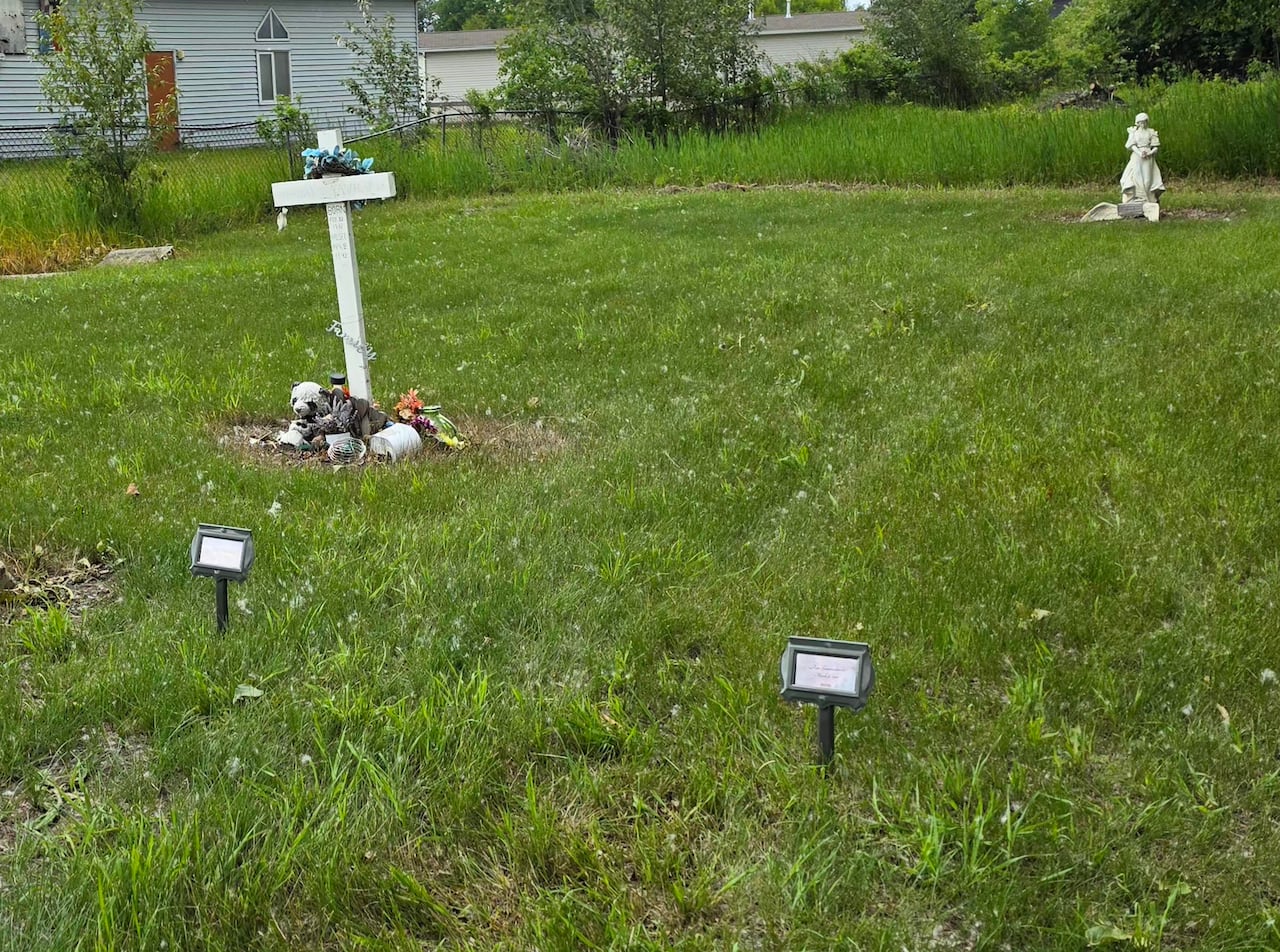
Johnny Kiyawasew’s burial site is in High Prairie, Alta., where he died in a hospital. ‘I visit every time I have a chance now. To see that lonely little grave, out there all alone,’ shares Robert Kiyawasew. (Submitted by Kiyawasew family)
Robert Kiyawasew expressed gratitude that his sister managed to locate Johnny’s grave before her passing.
“I make a visit whenever I can now,” stated Robert Kiyawasew.
“It’s painful to see that lonely little grave, standing out there all by itself.”
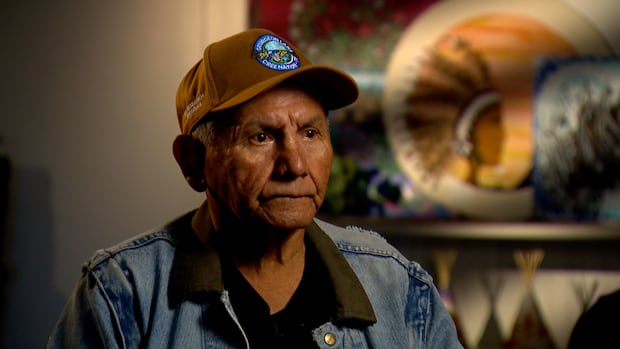
Robert Kiyawasew recounts his family’s extensive search for his brother Johnny, who was forced to attend the St. Francis Xavier residential school near Sturgeon Lake Cree Nation.
As a survivor of a day school, Robert Kiyawasew shared that he faced similar traumas as his siblings who attended St. Francis Xavier, including punishment for speaking their native language.
“To treat us Indigenous people as if we don’t exist… no,” Robert Kiyawasew asserted.
“We have a rightful place in our culture. Our heritage is our right to embrace.”
-
After 50-year search, Inuk mother finds daughter’s grave 2,000 km from home
-
Letitia John died at a residential school. Her identity was lost until now
The narrative of the Sturgeon Lake residential school at the National Centre for Truth and Reconciliation (NCTR) includes a historical overview prepared by the Government of Canada as part of its response to litigation, indicating that at least five children perished at the school in 1943.
A document from 1943 states that the school “is deteriorating and poses a health risk to Indigenous children as well as a fire hazard,” noting that some student fatalities “last winter” were attributed to “the lack of comfort” caused by inadequate heating.
Challenges in acquiring records
Raymond Frogner, the senior director of research and head of archives at the National Centre for Truth and Reconciliation, explained that residential school records are often disorganized, inconsistent, and unreliable.
“It was overseen by various church groups, provincial governments, and federal governments, none of which communicated effectively with one another,” Frogner stated.
“It’s akin to reconstructing a jigsaw puzzle when many pieces are missing.”
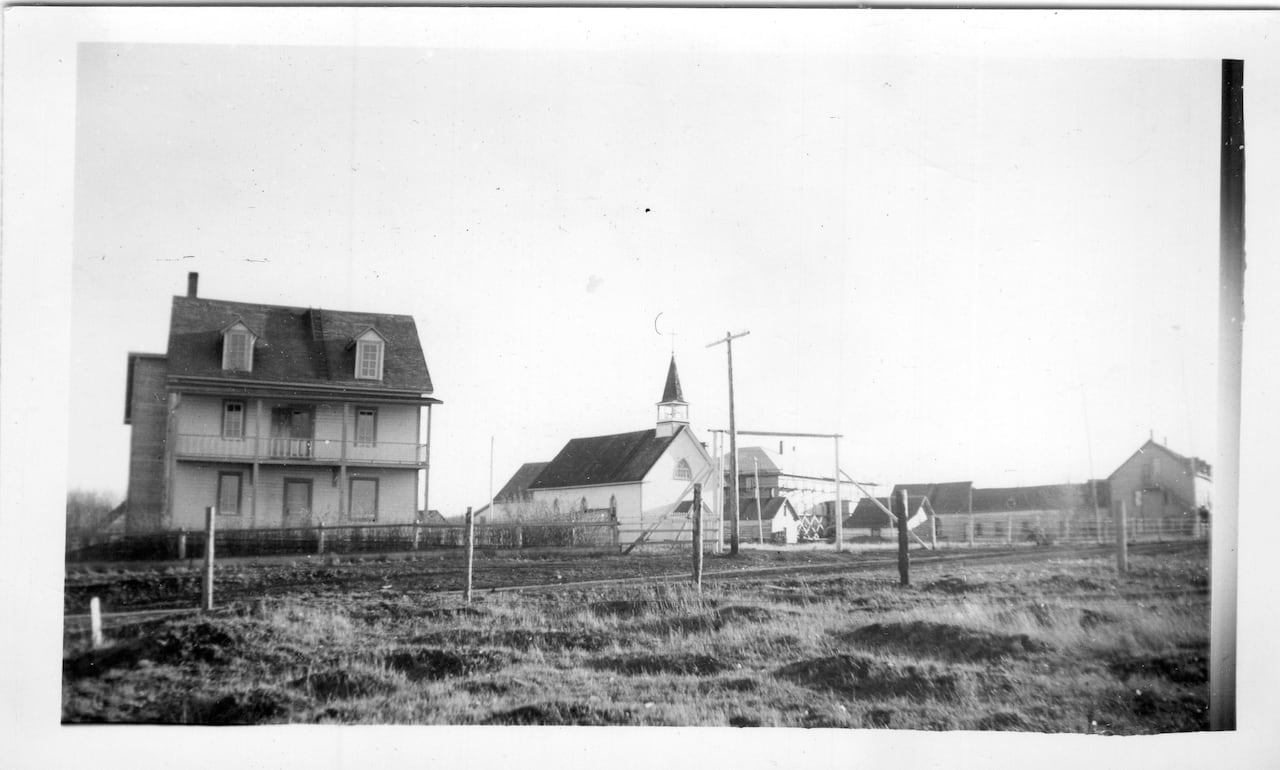
The grounds of St. Francis Xavier residential school at Sturgeon Lake Cree Nation, date unknown. (Submitted by Sturgeon Lake Cree Nation)
Frogner noted that numerous church records are unavailable, contain incorrect or varying dates compared to provincial or federal documents, and when found, they are frequently withheld.
Sunshine mentioned that several times, researchers from Sturgeon Lake have been informed by church officials that they would only release a student’s documents to direct family members.
“How can you establish family ties when many are passing away?” Sunshine questioned.
“This significantly hinders our ability to locate information… It restricts our search for all of our children.”
Sunshine affirmed that the First Nation will persist in its efforts to reconstruct the stories of children who attended St. Francis Xavier and never returned home.
“If we are unaware of the locations of these children, how can we provide closure for some of our families?” Sunshine asked.
“Discussing intergenerational trauma? That’s a part of it.”
A national 24-hour Indian Residential School Crisis Line is available at 1-866-925-4419 for emotional and crisis referral services for survivors and individuals affected.
Mental health counseling and crisis support are also accessible 24/7 through the Hope for Wellness hotline at 1-855-242-3310 or via online chat.

