
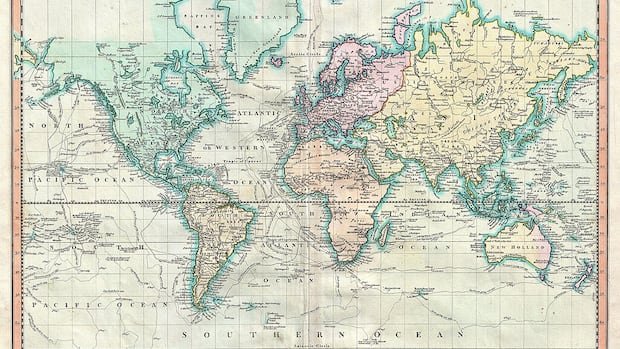
The United Nations made a significant decision on Friday to transition from the outdated Mercator global map to a more accurate representation of countries’ true sizes. This resolution was proposed by African nations to combat the misconception that Africa is marginal in the world.
Togo spearheaded this movement to support the African Union’s initiative to reduce the use of the Mercator map, known for distorting the sizes of land masses by exaggerating those closer to the poles. For example, it falsely depicts Greenland as being almost the same size as Africa, even though Africa is approximately 14 times larger.
Togo’s Foreign Minister, Robert Dussey, emphasized the importance of a fair map, stating, “A fair world begins with a fair map.” The resolution advocates for the adoption of the Equal Earth projection, which offers a more precise depiction of continents’ sizes.
Although the resolution is not legally binding, it does not challenge the use of the Mercator projection for maritime and aerial navigation, where it remains suitable. The UN General Assembly overwhelmingly passed the resolution with 164 votes in favor, one against (the United States), and six abstentions.
Togo aims to update its school geography materials by the end of the year, becoming the first country to do so. Dussey expressed the need for this change to set an example for all nations worldwide.
Furthermore, Togo plans to encourage governments, schools, international organizations, and technology companies to transition away from the outdated Mercator projection. Dussey highlighted the Equal Earth projection as offering the most accurate view of the world.
In the upcoming months, Togo intends to collaborate with African Union member states and supporters from other regions to promote broader adoption of the Equal Earth projection. Dussey emphasized that the discussion on future steps should involve companies utilizing mapping, GPS, and other location-based technologies.
He emphasized that this campaign is part of broader African efforts to address colonial legacies and is not an attack on any specific civilization. Dussey underscored the evolving nature of the world and Africa’s role in it.

