
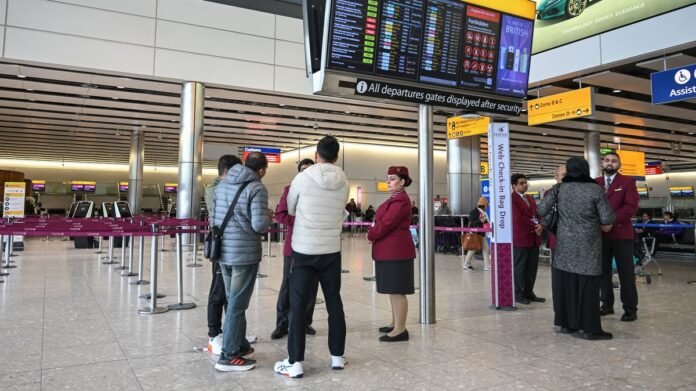

The unexpected turmoil in the Middle East has left numerous travelers and vacationers stranded overseas, catching many off guard.
The extensive disruption in travel has created a challenging situation for those affected. Notably, Dubai International Airport, known for its high passenger traffic, saw 95 million travelers pass through its gates last year.
The dominance of Middle Eastern airlines in long-haul flights has led to a significant number of individuals being marooned in foreign countries due to the disruptions at transport hubs in the region.
With more than 20,000 flights canceled within a short period, the upcoming holiday season raises concerns about the impact on vacation plans. Here is a comprehensive guide to navigate through this challenging situation.
If you find yourself abroad during unexpected events like war, natural disasters, or political unrest, your holiday company or airline is obligated to arrange your return journey, depending on the severity of the situation. Additionally, the government steps in to coordinate repatriation efforts in collaboration with airlines.
Remaining calm and staying informed by regularly checking updates from your airline and the Foreign Office website is crucial in such circumstances. For package holiday travelers, the holiday company typically manages repatriation, while individual flight bookings require direct communication with the airline.
In cases where the original airline or holiday provider cannot offer a return flight, they should endeavor to secure alternative arrangements promptly. While delays are inevitable during mass disruptions, affected individuals are generally provided with accommodation until travel arrangements are finalized.
Preparing for swift departures by keeping essentials packed, ensuring your phone is charged, and having vital documents easily accessible is advisable. Only proceed to the airport when it is deemed safe to travel.
In the face of unforeseen events like wildfires or conflicts, both package holiday companies and airlines activate emergency protocols to ensure the safe return of vacationers. Although evacuations can be challenging, travelers should expect some level of inconvenience at airports.
In uncertain situations, avoid canceling existing travel plans while stranded overseas. Instead, explore the option of booking alternative flights and potentially reclaiming costs incurred, subject to the airline’s policies.
For individuals scheduled to travel to disaster-stricken areas, guidance from the Foreign Office is crucial. In cases where travel advisories are in place, refunds or rescheduling options may be available, although airline policies vary.
Navigating contractual terms with airlines or holiday companies is essential in seeking compensation or refunds for disrupted travel. Travel insurance plays a vital role in mitigating financial risks during unforeseen events, covering various aspects like medical emergencies and lost belongings.
Being prepared for unexpected disruptions during travels, whether due to extreme weather or conflicts, underscores the importance of adequate insurance coverage and understanding policy terms. Prior research on destinations, booking with protection schemes, and prudent financial planning can help mitigate risks associated with travel uncertainties.