
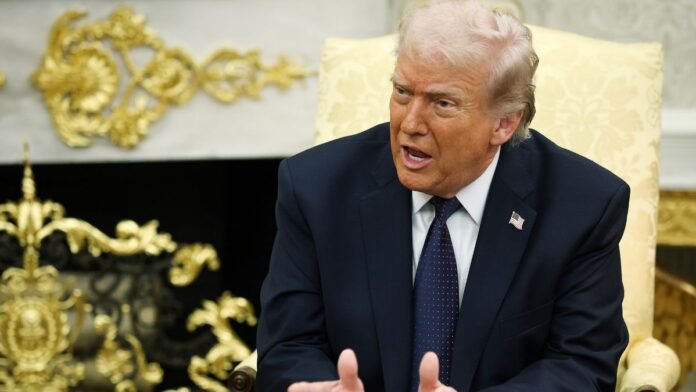

The recent conflict in the Strait of Hormuz has shed light on the severe shortcomings in the planning of the war. Rather than just a misstep by Donald Trump, it exposes an administration that seemed unprepared for the war it initiated. The lack of foresight is akin to starting a fire without having a fire extinguisher on hand.
Warnings from military strategists and energy experts over the years emphasized the vulnerability of the Strait of Hormuz in any confrontation with Iran. The failure to secure this critical oil passage, through which a significant portion of global oil flows, was a glaring oversight. Despite the predictable nature of this risk, the administration was caught off guard and ill-equipped to respond effectively.
The absence of a coordinated international effort to secure shipping lanes, coupled with the lack of economic contingency plans, highlights the administration’s reactive approach rather than proactive strategizing. Trump’s erratic behavior and haphazard decision-making further underscore the lack of preparedness and leadership.
Basic measures, such as utilizing the Strategic Petroleum Reserve to stabilize oil markets, were neglected, exacerbating the crisis. The administration’s neglect of alternative energy investments and overreliance on traditional oil sources further exposed its strategic shortsightedness.
While other countries like China have diversified their energy sources and prepared for such contingencies, the U.S. under Trump’s leadership failed to adopt a strategic long-term approach. The absence of a coherent plan to address the crisis and reopen the vital Strait of Hormuz underscores the administration’s ad hoc and reactive approach to global challenges.
The failure to engage allies, establish diplomatic groundwork, and maintain a strategic vision has left the U.S. isolated and struggling to navigate the repercussions of its actions. Trump’s impulsive decision-making and disregard for long-standing warnings have escalated tensions and jeopardized global stability, highlighting a critical lack of foresight and planning in addressing complex geopolitical issues.
The consequences of this lack of preparedness extend beyond political spheres, affecting households and economies worldwide. The absence of a comprehensive strategy to mitigate the crisis amplifies its impact, akin to jumping out of a plane without a parachute and realizing the gravity of the situation only upon descent.
Christopher Bucktin, an experienced journalist, provides insights into the implications of this crisis on a global scale and the urgent need for strategic foresight in addressing complex geopolitical challenges.