
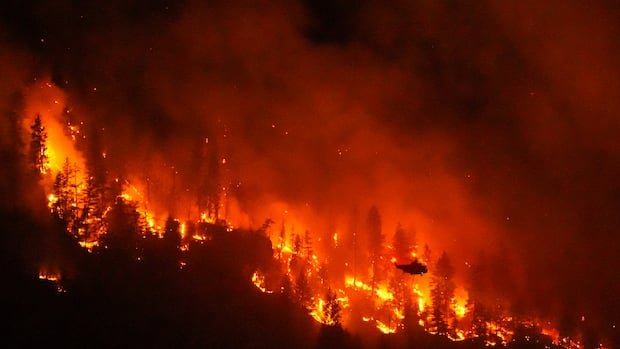
The impact of global warming on wildfires and thawing permafrost has been well-documented. A recent study sheds light on how these events are contributing additional greenhouse gases to the atmosphere, accelerating climate change beyond current estimations.
Known as climate “feedback loops,” these phenomena result in increased carbon emissions, fueling further climate change. The study, conducted by researchers from prominent U.S. institutions such as Stanford University, the Environmental Defense Fund, and Spark Climate Solutions, suggests that these feedback loops could amplify warming by 20 to 30 per cent compared to existing projections for this century.
Ben Poulter, a program director at Spark Climate Solutions and co-author of the paper, emphasized the urgent need to consider these feedback mechanisms in climate policy to align with the Earth’s response to climate change.
Published in Environmental Research Letters, the study provides a comprehensive analysis of warming-induced emissions and their implications for global temperature rise. While current climate models primarily focus on emissions from human activities, the findings underscore the significant impact of feedback loops, particularly in countries like Canada.
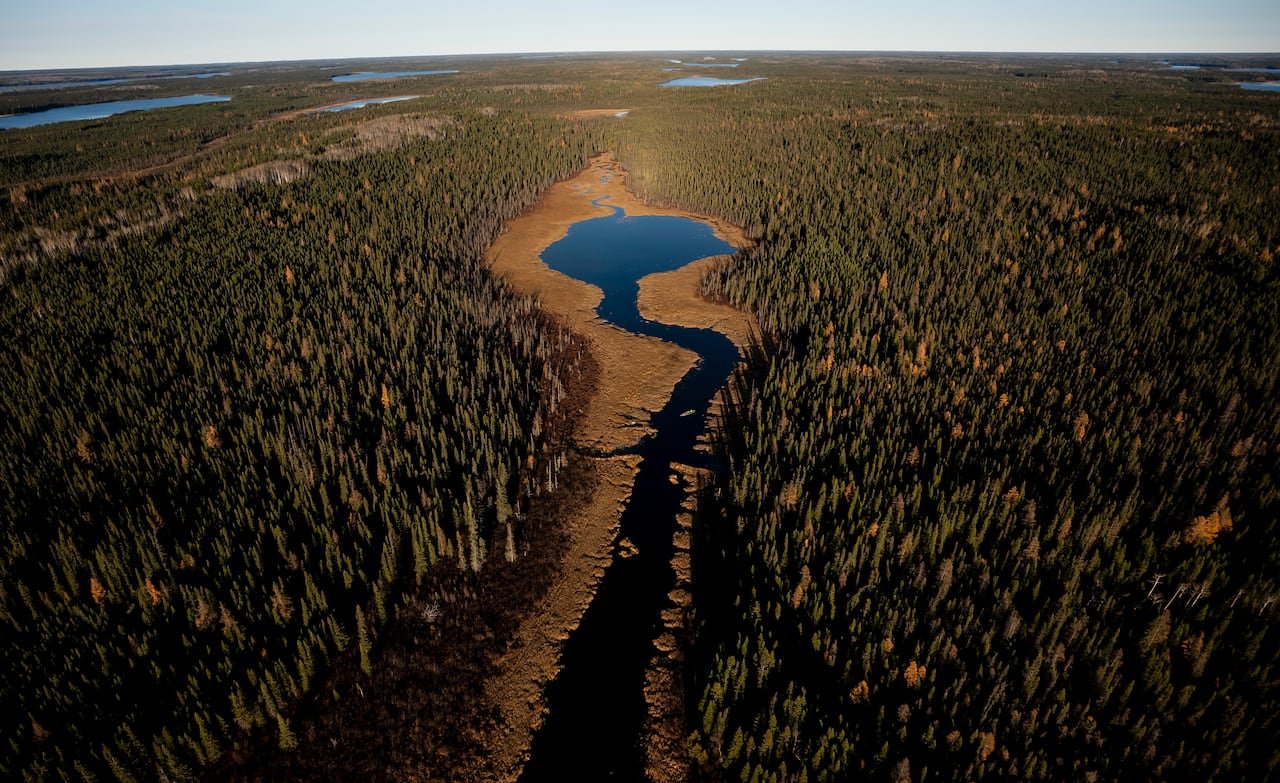
Wetlands in northern Ontario. Ecosystems like these are emitting more carbon because of climate change, which in turn feeds into even more global warming. (Christopher Katsarov/The Canadian Press)
Implications for Canada
Canada, experiencing accelerated warming trends compared to the global average, faces significant climate challenges. A recent government report suggests that the country could witness up to five degrees of warming in the coming decades, leading to profound impacts on various aspects of Canadian life.

