
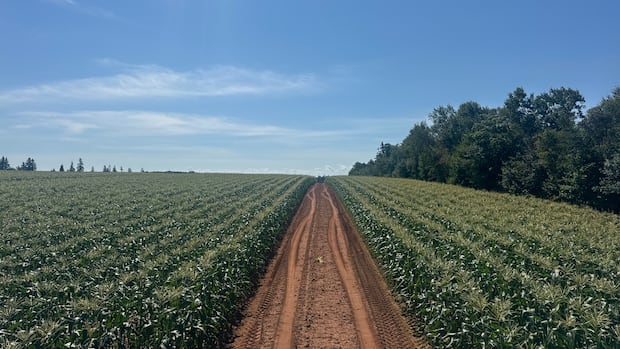
Following a chilly spring that hindered growth, the corn season in Prince Edward Island is now gaining momentum—just as lower-priced corn from Quebec begins to appear in grocery stores.
Matthew Compton, the proprietor of Compton’s Farm Market located in Summerside, noted that May and June experienced temperatures below the seasonal norm. Although this postponed the commencement of the sweet corn harvest, he maintained his planting volume.
“Corn does not thrive in cold soil,” he explained. “Warm soil and temperatures are essential for corn to develop properly.”
To ensure some of his crop would be ready sooner, Compton utilized clear, biodegradable plastic for part of his planting. This plastic acts as a greenhouse, elevating soil temperatures and accelerating corn germination and growth.
“We’ve been selling since Monday,” he stated in a Thursday interview with CBC News.
“The quality is outstanding, and the flavor is incredible. It’s remarkable what a bit of rain and some warmth can achieve.”
-
Wheat and corn crops in Canada’s Prairies, U.S. Midwest could see biggest losses due to climate change
-
More P.E.I. growers picking corn as a ‘win-win’ crop
Nevertheless, Compton indicated that his primary sweet corn crop is slightly behind schedule.
Timing is crucial.
He explained that the peak demand for sweet corn occurs in midsummer, coinciding with an influx of tourists on the Island who buy corn for activities like campfires and barbecues.
“We have a limited timeframe with our sweet corn,” Compton noted. “The further it extends into September, the demand decreases significantly.”
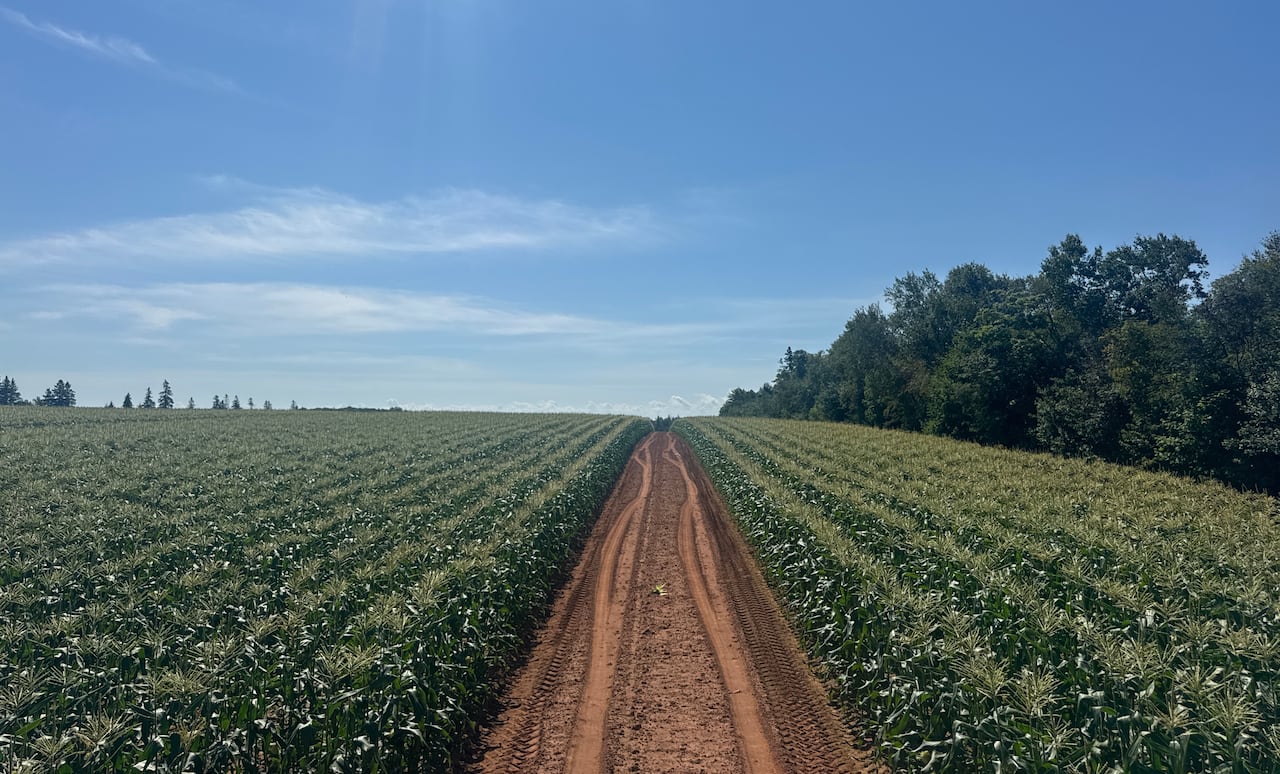
Compton mentions that he plants a portion of his sweet corn beneath a clear, biodegradable plastic made from corn to warm the soil and facilitate an earlier harvest. By now, he states the plastic has decomposed to the point where “you wouldn’t even know” it was ever present in the field. (Matthew Compton)
On the opposite side of the Island, Mark Verleun and his spouse operate Keddy’s Corn in Montague. He echoed the sentiment regarding the cold and wet spring.
“May and June were exceptionally cold, wet, and windy,” he remarked. “We planted corn that took 16 days to germinate, resulting in a slow start, but it’s progressing well now.”
He noted that weather conditions finally improved around early July.

The surge in corn may seem beneficial for corn enthusiasts, yet a surplus from other regions could impact the profitability of Island farmers this year. Matthew Compton from Compton’s Farm Market and Mark Verleun from Keddy’s Corn discuss the start of the sweet corn season.
Verleun anticipates opening for the season early next week. He has planted enough to provide corn until October 1, but the actual duration of the season will depend on fall frost conditions.
Last year, Keddy’s had corn available through the Thanksgiving weekend, but an early hard frost this fall could curtail the season, he added.
Quebec corn puts pressure on local prices
Both farmers are keeping an eye on developments in Quebec.
After a sluggish start, farmers in that province are currently harvesting more sweet corn than the market can absorb, leading to a reduction in prices for consumers. Quebec corn is easily shipped into the Maritimes.
Compton mentioned that this situation can lower local prices.
“If there’s an oversupply of corn in Quebec, it trickles down to the Maritimes,” he remarked.
“This is advantageous for consumers, providing them with a more affordable corn option. [However], it forces us … to potentially lower the price at which we can sell our corn.”
At his market, Compton has maintained last year’s prices: $1 per cob or 14 for $9.
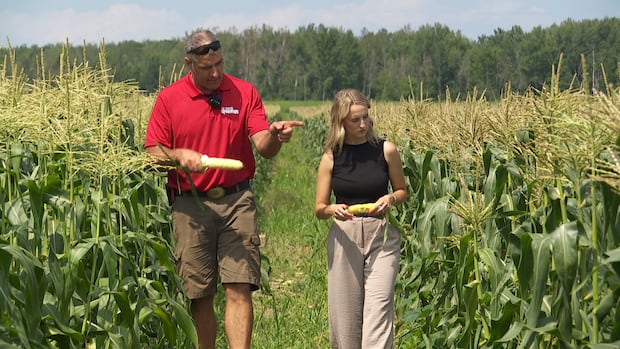
After a delayed season, Quebec farmers are now harvesting more sweet corn than the market can accommodate, which is leading to lower prices for consumers. Despite thinner margins on corn, farmers are enjoying a profitable summer due to abundant yields of other vegetables.
Verleun reported that Keddy’s has also kept its prices unchanged, having not increased them in four years.
“You want to avoid pricing yourselves out of the market,” he advised.
Compton expressed concern that consumers might lean towards the less expensive corn available in stores, but he hopes that those who can afford it will choose to support local farmers by paying a little extra.
“If you can support your local farmer and pay a bit more for it … that money goes right back into the local economy.”

