
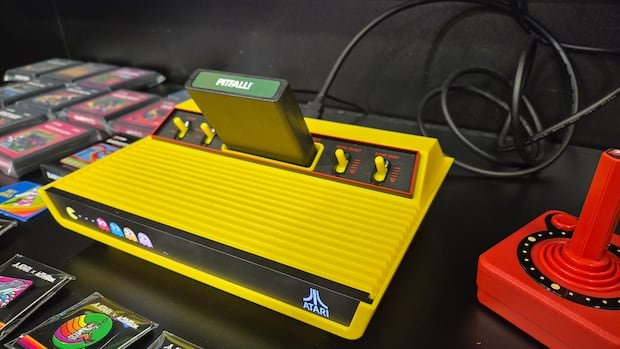
Atari Interactive, in partnership with Activision, recently unveiled a lineup of 39 classic games from Activision’s early years at the Gamescom conference in Germany. The re-released titles include iconic games like “Pitfall,” “River Raid,” and “Megamania,” available on physical cartridges compatible with the Atari 2600+ console, a modern recreation of the original 2600 console launched in 1977. This updated console supports wireless joysticks and HDMI connectivity to modern TVs.
The release of the Atari 2600+ in 2023 reintroduced classic games such as “Pac-Man,” “Galaga,” and “Dig Dug.” It also offers compatibility with original cartridges from the Atari 2600 and 7800 consoles, catering to nostalgic gamers who may still have these cartridges tucked away. Moreover, the newly released versions are backward compatible, allowing them to be played on the original consoles if they are still functional.
Mike Mika, studio head at Digital Eclipse, emphasized the enduring appeal of these classic games, noting that many players continue to enjoy them. The collaboration with Activision holds special significance as it marks a reunion between the two companies after over 40 years. Activision, founded in 1979 by former Atari programmers, later evolved into a major player in the gaming industry with franchises like “Call of Duty” and “Candy Crush Saga.”
Atari, known for its pioneering role in the 1980s video game industry, has experienced various ownership changes over the years. Under the current ownership of Luxembourg-based Atari SA, efforts have been made to revitalize the brand by refocusing on gaming and retro offerings. Recent acquisitions of studios like Nightdive Studios and Digital Eclipse, alongside the launch of hardware such as the Atari 2600+ console, reflect a return to the company’s roots.
The renewed focus on retro gaming has resonated with fans, including those who have been actively engaged in playing and developing games since the ’80s. Recruiting industry veterans like Hiro Kimura to contribute to new releases, such as the updated artwork for “Pac-Man,” has further strengthened Atari’s connection to its heritage. Additionally, initiatives like the “Atari 50” compilation and the Atari x Activision collection have been well-received by enthusiasts and critics alike.
While physical game releases like those from Atari remain niche in today’s digital-centric market, there is a growing appreciation for the tangible experience provided by physical media. This trend contrasts with recent industry shifts towards digital-only releases, as seen with upcoming games like “Grand Theft Auto VI” and Sony’s decision to cease production of physical discs for PlayStation games.
Amidst these changes, Atari’s commitment to preserving the authenticity of classic gaming experiences through physical cartridges, box art, and collectibles resonates with a new generation of gamers who value the tangible aspects of gaming. This renewed interest in physical media reflects a broader cultural shift towards appreciating the tactile and nostalgic elements of entertainment products.

