
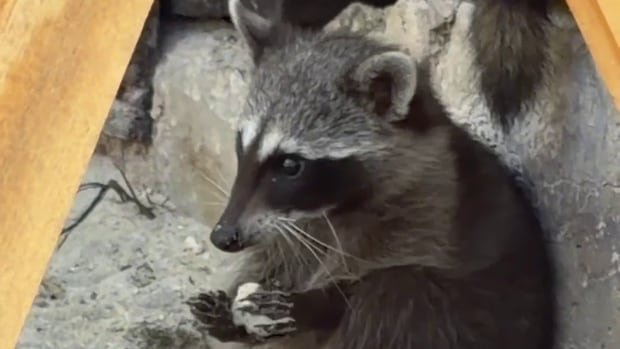
Biologist Nessie O’Neil from Miami University in Ohio recently made a fascinating discovery while observing pygmy raccoons on Cozumel Island in Mexico. She witnessed these endangered raccoons creating toy balls out of trash, a behavior previously unknown to science. The raccoons were observed rummaging through bins for paper and other materials, shaping them into balls for play, and even teaching this behavior to their family members.
This groundbreaking observation, now documented in a published paper in the journal Wild, marks the first evidence of “material culture” within the Procyonidae family, which includes raccoons and similar creatures. Nessie O’Neil highlighted the playful nature of raccoons but emphasized that this innovative behavior of crafting their own toys was unprecedented.
As their natural habitat faces increasing destruction due to development, these pygmy raccoons have adapted to rely on tourist scraps and garbage for survival. O’Neil recounted a poignant moment when a juvenile raccoon skillfully crafted a toy ball out of a receipt retrieved from a trash can, showcasing their resourcefulness and adaptability.
The study also mentioned instances where the raccoons engaged in social play, batting the handmade balls back and forth, a behavior that intrigued scientists. Benjamin Beck, a co-author of the book Animal Tool Behavior, expressed astonishment at the raccoons’ creativity in making their playthings, suggesting a higher level of foresight and creativity.
Despite the fascinating behavior observed, concerns loom over the dwindling population of pygmy raccoons on Cozumel Island, with only around 200 individuals remaining. O’Neil highlighted the detrimental impact of tourist developments on their habitat and urged for conservation efforts to protect these unique creatures.
In light of these findings, O’Neil hopes that raising awareness about the challenges faced by pygmy raccoons will prompt positive actions, particularly among tourists. She emphasized the importance of preserving the natural habitat of these animals and refraining from feeding them human food, underscoring the intrinsic value of every living creature in their environment.

