
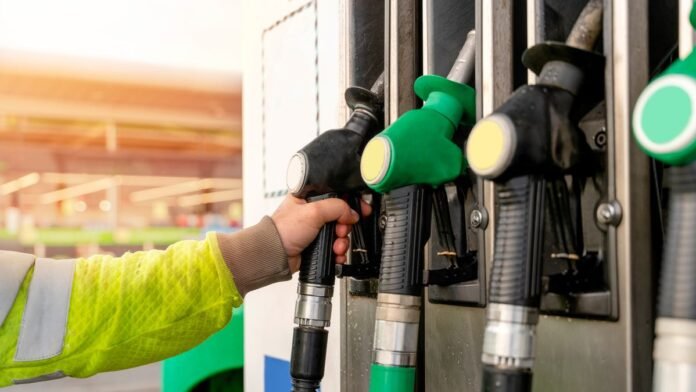

UK inflation increased in the past month due to the impact of the conflict in Iran, which led to higher petrol and diesel prices for many motorists. The Consumer Prices Index (CPI) inflation rose to 3.3% in March, up from 3% in February, as reported by the Office for National Statistics (ONS).
This rise in inflation is the first time that the figures have reflected the elevated costs resulting from the Middle East tension. The surge in oil prices, following disruptions in the Strait of Hormuz, has caused a significant spike in petrol and diesel prices recently.
Recent data from RAC revealed that the average price of petrol in the UK stood at 157.57p per litre, with diesel at 190.13p per litre. Although these prices have slightly decreased from their peaks, they remain substantially higher compared to pre-war levels.
Grant Fitzner, the chief economist at the ONS, attributed the higher inflation in March to increased airfares impacted by rising jet fuel costs and a rise in food prices. This inflation rate aligns with economists’ predictions and marks the highest level since December of the previous year.
The Bank of England previously indicated that inflation could climb to as high as 3.5% by the third quarter of this year, surpassing their 2% target. Energy prices are expected to escalate this summer, driven by an increase in wholesale gas prices.
Chancellor Rachel Reeves emphasized the financial burden brought on by the Iran crisis, stating that while it is not their war, it is inflating costs for families and businesses. Reeves highlighted various measures taken to mitigate the impact, including reductions in energy bills and freezing of rail fares.
Inflation measures the change in prices of goods and services over time, with the ONS calculating it based on a representative selection of items in a household’s expenditure. The Bank of England’s base rate, currently at 3.75%, influences borrowing costs and plays a role in managing inflation.
Higher interest rates can curb spending, reducing demand and subsequently lowering inflation. However, elevated mortgage payments due to previous rate hikes have strained household finances. The base rate, which reached 5.25% in the past, aims to stabilize inflation near the 2% target.
By opting for Daily Mirror as a ‘Preferred Source’ on Google News, readers can access preferred news sources conveniently.