
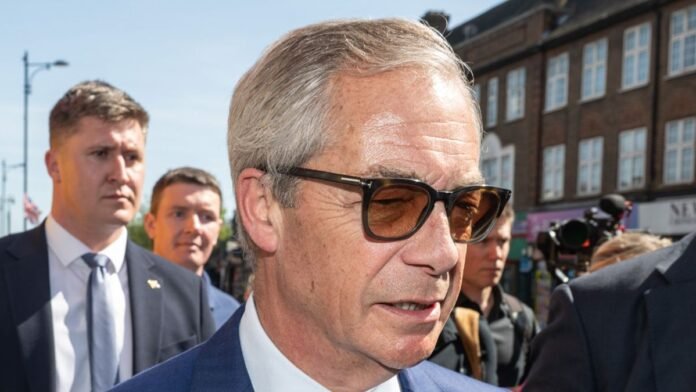

Nigel Farage, emulating mentor Donald Trump, is involved in promoting a cryptocurrency company called Stack BTC, in which he holds shares. Farage stands to profit significantly from his involvement, with shares he purchased for about £215,000 potentially increasing in value to millions within a short period. This move has raised concerns about conflicts of interest, as Farage, a Hard Right career politician, is actively promoting his financial interests while aspiring to be Prime Minister.
The Reform party, associated with Farage, has garnered substantial financial support from crypto tycoons, including large donations from individuals like Christopher Harbone and Ben Delo. These contributions align with Reform’s agenda to reduce tax on electronic currency and deregulate the sector, potentially benefiting both the party and its backers.
Critics have pointed out the potential ethical implications of Farage’s actions, with calls for an investigation by the Financial Conduct Authority into whether his activities amount to market abuse. Additionally, concerns have been raised about Reform’s alignment with wealthy elites and its departure from representing ordinary workers, especially given Farage’s profit-driven initiatives.
The controversy surrounding Farage’s involvement in the cryptocurrency company highlights the ongoing debate about transparency and accountability in politics. As the situation unfolds, questions about the ethical implications of political figures leveraging their platforms for personal gain continue to be a topic of discussion.
In a separate development, former Labour Party Minister Peter Mandelson expressed concerns about Keir Starmer’s recent challenges, including the appointment of a controversial figure in Washington and the upcoming election results. Starmer’s leadership faces scrutiny as the political landscape evolves, with potential implications for the Labour Party’s future.
As global tensions rise, particularly in the context of US-Iran relations, political and religious dynamics continue to shape international discourse. The complexities of these geopolitical relationships underscore the importance of diplomatic efforts and strategic decision-making in navigating volatile situations.