

NHS Chief Condemns Timed Doctors’ Strike for Disruption
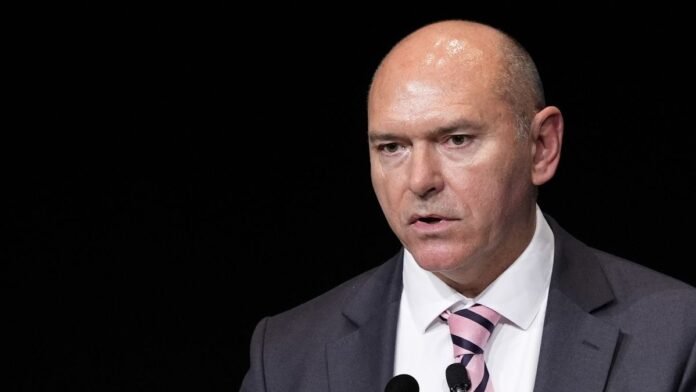
The head of the NHS has criticized the timing of the doctors’ strike, accusing it of being deliberately planned to cause chaos. Despite the walkout, NHS England is encouraging patients to seek medical care at hospitals and GPs, emphasizing the importance of not delaying treatment for serious health issues. Following the initial day of the strike, NHS chief executive Sir Jim Mackey reassured health leaders that hospitals were managing reasonably well under the circumstances.
Recent strikes under Sir Jim’s leadership have seen the health service maintain 95% of scheduled appointments, but this ongoing six-day strike coincides with the Easter school holidays, leading to potential staffing challenges due to pre-booked annual leave. In a letter to hospital leaders, Sir Jim acknowledged the strain on staff and the difficulty hospitals faced in managing the disruption caused by the strike following the holiday weekend.
A survey revealed that a majority of British adults oppose resident doctors participating in strikes, with concerns raised over the impact on patient care. The current six-day strike, the 15th by resident doctors since 2023 and the longest joint action, is part of an ongoing industrial dispute that began under the previous government, costing the NHS an estimated £50 million per day for staff cover and rescheduled operations.
NHS England is advising patients to attend their scheduled appointments unless notified otherwise, with essential services like urgent surgery and cancer care being prioritized. Despite the challenges posed by the strike, NHS staff are committed to ensuring patient safety and continuity of care throughout the week.
The resident doctors, below consultant level, are protesting against pay erosion, advocating for a return to 2008 pay levels. The British Medical Association (BMA) highlights a significant decline in real-terms pay since 2008 due to inflation, emphasizing that the proposed pay increase for 2026/27 still amounts to a pay cut when adjusted for inflation.
Health Secretary Wes Streeting defended the proposed pay package, which included an average pay rise of 4.9% for resident doctors, additional medical training places, and exam cost reimbursements. However, the BMA’s resident doctors committee rejected the offer, citing concerns over phased pay increases and potential further real-terms pay cuts in the future.
While other NHS staff, including nurses and midwives, have been offered a 3.3% pay rise for 2026-27, the resident doctors are pushing for fairer compensation in line with their contributions to the healthcare system. The ongoing dispute underscores the challenges faced by healthcare workers and the need for fair and equitable compensation in the healthcare sector.