
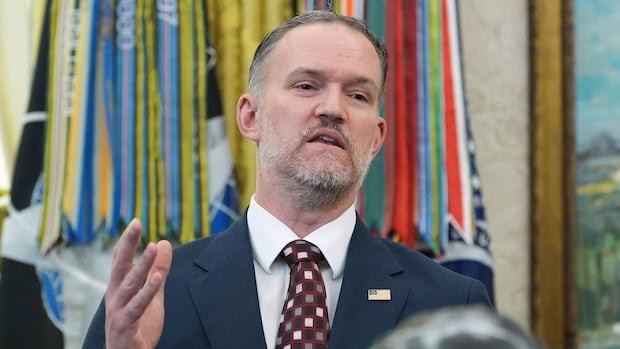

U.S. Trade Representative Jamieson Greer announced that both U.S. President Donald Trump and Prime Minister Mark Carney would receive “options” following trade discussions between Canadian and U.S. trade officials on Thursday. Greer emphasized the ongoing negotiations’ progress from the Trump administration’s viewpoint.
In an exclusive interview with CBC News after the talks, Greer described the meetings as “positive” and “friendly.” He mentioned plans for further conversations with the president and anticipated Canadian officials would engage with the prime minister.
Canada-U.S. Trade Minister Dominic LeBlanc assured reporters after the meeting that they would continue fulfilling Canadians’ expectations. He did not specify the number of upcoming meetings with Greer, stating they would convene as needed.
Additionally, LeBlanc is scheduled to update the federal government’s Advisory Committee on Canada-U.S. Economic Relations on the negotiation status. This committee plays a key role in formulating strategies for managing Canada’s economic ties with the U.S.
LeBlanc, accompanied by chief trade negotiator Janice Charette, met with Greer for the second time this week and the fourth time in three weeks. The discussions intensified after Trump’s threat to impose steep tariffs on various Canadian products in addition to existing sectoral tariffs, set to take effect on Aug. 19.
Following today’s meeting, Charette continued talks with her U.S. counterpart at the U.S. Trade Representative office into the late hours, as per a CBC News source.
In a separate development, sources revealed that the U.S. proposed adjustments to sectoral tariffs but not to the extent desired by Canada. The Americans are also seeking access to Canadian critical minerals, encompassing security and energy considerations.
LeBlanc and Greer aim to present a potential trade deal to Trump by Monday. However, the Canadian team has emphasized to the U.S. counterparts that proceeding with talks post-Aug. 19 tariffs would face strong resistance from Canadians.
The Canadian side is willing to address some trade concerns, including ending alcohol bans and making concessions on automotive and dairy products. Ontario Premier Doug Ford expressed willingness to reintroduce U.S. alcohol on provincial shelves under fair terms safeguarding Ontario’s key sectors.
Ford underscored that imposing tariffs on Canada ultimately impacts American citizens, urging voters to convey a message during the midterm elections. Quebec’s stance on alcohol bans aligns with Ontario’s emphasis on fair negotiations governing the sale of alcohol within provincial jurisdiction.