
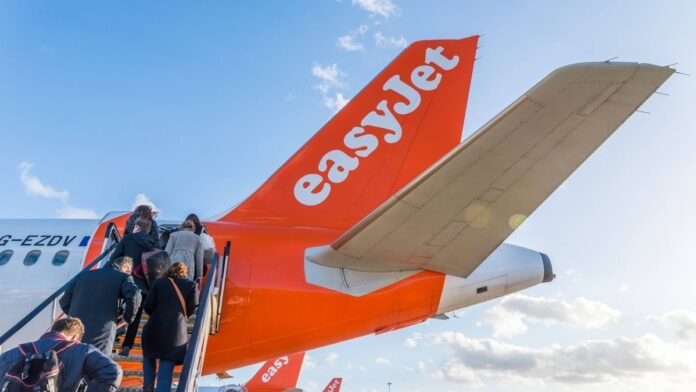

A worsening shortage of jet fuel is causing concern among Britons as they navigate their summer travel arrangements, with over 30 airlines either canceling flights or implementing additional fees.
Numerous UK travelers have already faced disruptions due to ongoing conflicts in the Middle East, and airlines are cautioning passengers to brace for flight cancellations over the upcoming May half-term period as fuel availability tightens.
The Middle East is a key source of Europe’s aviation fuel, accounting for approximately half of the region’s imports. With the Strait of Hormuz effectively closed by Iran in response to US and Israeli actions, fuel prices are surging, sparking fears of imminent fuel deficits.
Recent weeks have seen a significant spike in prices, jumping from around $85-$90 per barrel to as high as $150-$200. Fatih Birol, an international energy expert, recently warned that Europe could face a shortage of jet fuel within six weeks if the Strait remains shut.
Airlines are already feeling the pinch, resulting in fare hikes for passengers, route cuts, and financial adjustments to cope with the soaring fuel costs. But how does this all translate for British travelers planning summer getaways? And what steps can be taken to safeguard trips amidst the escalating crisis?
Simon McCulloch, Chief Commercial Officer at Staysure, a travel insurance company, emphasized the severity of the situation in the Strait of Hormuz, stressing the profound impact on the aviation sector. McCulloch highlighted that while pricing and supply chain issues may lead to disruptions, most flights are expected to continue operating, albeit possibly with increased fares, schedule changes, and occasional cancellations.
In case of a flight cancellation, passengers are entitled to refunds or alternative flights from airlines, with potential provisions for meals, accommodations, and assistance during delays under UK passenger rights regulations. Additionally, travelers on package holidays benefit from ATOL protection and UK package travel rules.
Travel insurance can offer added financial protection for various scenarios such as medical emergencies, repatriation, lost belongings, and trip cancellations. McCulloch noted that insurance can also cover missed connections, alternative accommodations, and disruption-related expenses beyond consumer rights, contingent on policy terms and coverage levels chosen.
McCulloch advised travelers to consider alternative travel methods and flexibility, suggesting options like the Channel Tunnel, cross-Channel ferries, and improved rail connections across Europe as practical alternatives to flying, especially for short-haul journeys.
Airlines utilize hedging as a price insurance strategy to lock in fuel prices in advance, ensuring budget predictability. However, hedging carries risks; if prices fall below the locked rate, airlines are locked into higher costs. European carriers have hedged a significant portion of their annual fuel needs but are delaying new hedges in hopes of price reductions amid the conflict.
The aviation industry is grappling with the fuel crisis, with various airlines globally implementing fuel surcharges to offset rising jet fuel prices. While UK airlines presently report no jet fuel shortage, contingency planning is ongoing to ensure operational continuity and passenger support in the face of escalating tensions.
Experts advise travelers to exercise caution when choosing destinations and prioritize destinations with frequent UK flight connections to minimize travel disruptions. Airlines UK, representing major carriers like Jet2, Ryanair, British Airways, and easyJet, is advocating for government intervention to address the emergency jet fuel situation.
Countries like Australia and some EU nations maintain strategic jet fuel reserves to prevent total air travel collapse if Middle Eastern oil supplies are severed. The International Energy Agency has coordinated strategic oil reserve releases to stabilize the market and support airline operations.
In the midst of uncertainty, travel experts stress that while adjustments such as fewer flights and higher fares may occur, blanket cancellations of summer holidays are not imminent. Tricia Handley-Hughes, UK & Ireland Managing Director at InteleTravel, assured that flights are still operational, with the industry actively managing fuel supplies.
Major airlines worldwide are taking measures to cope with the fuel crisis, from reducing flights to adding fuel surcharges or adjusting fare structures. The industry is navigating these challenges to maintain operational viability and passenger services amidst the turbulent fuel market conditions.