
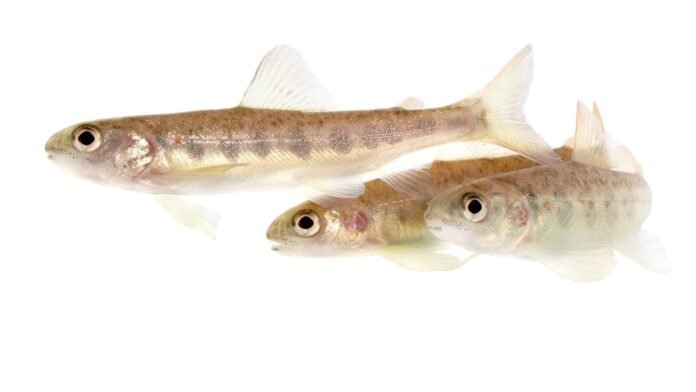

A recent study has uncovered that human-induced cocaine pollution is causing salmon to behave erratically in their natural habitat. According to scientists, the presence of this illegal drug is influencing the behavior of juvenile Atlantic salmon, leading them to swim longer distances and explore wider areas. This study, detailed in the journal Current Biology, marks the first instance where the impact of cocaine contamination on fish behavior has been observed in the wild rather than in controlled laboratory settings.
To investigate the effects of pollutants on animal movement, an international team of researchers conducted experiments on 105 juvenile Atlantic salmon in Lake Vättern, Sweden, using slow-release chemical implants and acoustic tracking methods. The fish were divided into three groups: a control group, a group exposed to cocaine, and a group exposed to benzoylecgonine, a common cocaine metabolite found in wastewater.
Results showed that fish exposed to benzoylecgonine swam up to nearly twice the distance per week compared to unexposed fish and spread out over 12.3 kilometers wider across the lake. The changes in behavior intensified over time, indicating that exposure to these substances altered how fish navigated within their complex natural environment.
Dr. Marcus Michelangeli, a co-author of the study, emphasized the significance of the findings, highlighting that animals’ movements are crucial in their interactions with their surroundings. He pointed out that alterations in the movement patterns of fish could have far-reaching effects on ecosystems that are still not fully understood.
The study also revealed that cocaine and its metabolites are increasingly present in rivers and lakes globally, entering water bodies mainly through inadequately filtered sewage systems. Previous research had hinted at the potential for cocaine to impact animal behavior, but this study provides concrete evidence of such effects in the wild, where environmental conditions are more intricate.
Researchers stressed that despite the prevalence of these substances in polluted waterways, the levels of exposure in the study were within those already found in the environment. They reassured that the compounds naturally degrade over time, and the fish studied were juveniles well below the legal catch size, posing no risk to individuals consuming fish.
Dr. Michelangeli from Griffith University’s Australian Rivers Institute in Brisbane highlighted the broader concern of pollutants infiltrating aquatic ecosystems and emphasized the need for further research to understand the extent of these effects, identify vulnerable species, and assess the implications on fish survival and reproduction patterns.