
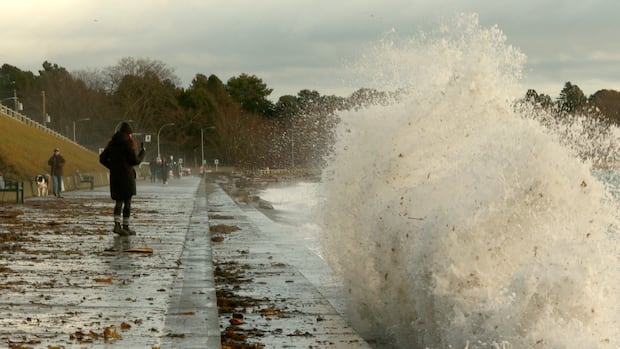
A significant underwater wave associated with this year’s El Niño phenomenon is advancing along the west coast of the Americas, creating concern among scientists regarding the exacerbating effects of climate change on this natural event.
This so-called Kelvin wave is not surprising. However, similar to El Niño itself, it is occurring amid human-induced climate change that has already elevated ocean and atmospheric temperatures.
An earlier, smaller wave made its way to British Columbia earlier this summer, and the next wave is anticipated to arrive in one to two weeks, as stated by Bill Merryfield, a research scientist at Environment and Climate Change Canada.
“We observed over 30 centimeters in certain areas in June. The forthcoming wave appears to be stronger,” Merryfield mentioned.
What triggers it?
The Kelvin wave is a naturally occurring meteorological event, much like El Niño itself. During typical years, winds in the Pacific Ocean blow from east to west along the equator, generally moving water from South America toward Asia.
In El Niño years, however, these east-west winds may weaken or even reverse, allowing water to flow eastward instead.
“When Kelvin waves reach the South American coast, there is no further east for this accumulation of water to go. Therefore, it divides and begins to travel up and down the Americas’ coastlines,” Merryfield explained.
Data from sea-level monitoring at Tofino, located on Vancouver Island’s Pacific coast, illustrates the effects of the previous Kelvin wave in June.
Rather than resembling a massive tsunami, the Kelvin wave leads to a temporary increase in sea levels.
“You can visualize it as a very broad, hundreds of miles wide, yet shallow elevation in ocean surface height, possibly by about a foot,” explained University of California climate scientist Daniel Swain to CBS News last month.
What effects will it have on the West Coast?
Merryfield noted that the most significant effects are felt during king tides, which are particularly high tides caused by the combined gravitational pull of the sun and moon.
“If you add that 30 centimeters of sea level rise to a king tide, and then perhaps include a winter storm that contributes to a storm surge, that’s when serious problems arise,” he remarked.
“This additional foot or so of sea level increase due to El Niño can have a substantial impact.”
The unprecedented global temperatures driven by this year’s powerful El Niño may result in nearly half a million additional deaths worldwide by the end of February, according to a report emphasizing the role of climate change in extreme heat.
These surges could be further amplified by another effect of El Niño, which raises sea levels along the British Columbia coast. El Niño can enhance northward winds along the coast, causing even more water to be pushed towards shore.
These combined effects — the Kelvin wave, intensified northward winds, and winter storms, alongside the already rising sea levels and increased extreme weather due to climate change — could lead to heightened flooding and erosion along the coastline. Previous strong El Niños have caused significant erosion along California’s beaches.
Local officials there are depositing emergency sand on beaches and expect the Kelvin wave to elevate water levels by six to twelve inches, as reported by the Associated Press.
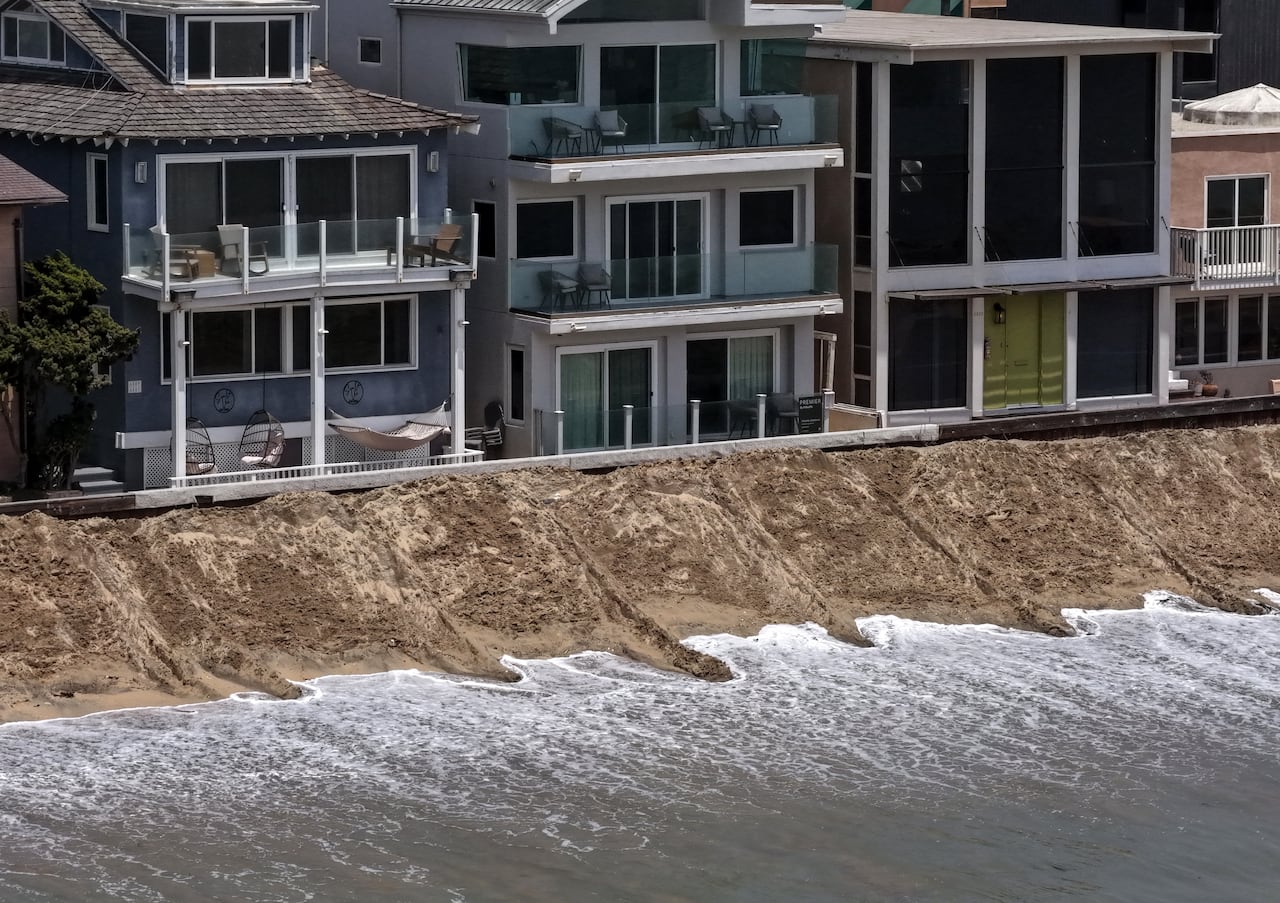
Exceptionally high king tides and powerful waves damaged protective sand and wooden berms in Long Beach, Calif. in June. (Justin Sullivan/Getty Images)
The effects of the Kelvin wave — and El Niño in general — could extend well beyond this season, Merryfield cautioned.
The oceans take in a significant amount of the excess heat trapped by greenhouse gases, helping to mitigate global warming while humans continue to rely on fossil fuels. However, during El Niño events, some of that accumulated heat is released from the ocean into the atmosphere.
This could result in 2027 becoming the hottest year on record “by a considerable margin,” Merryfield warned, echoing similar alerts from other climate research institutions and scientists.

