
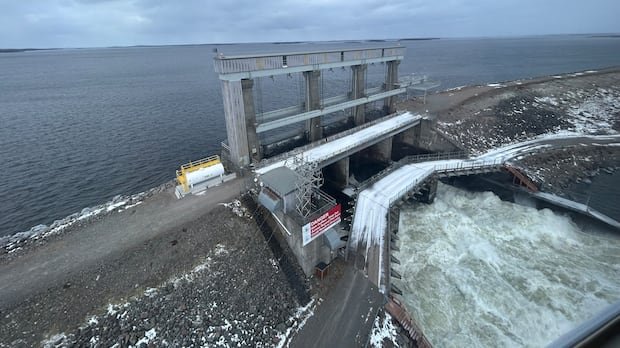

A recent agreement between Newfoundland and Labrador (N.L.) and Quebec regarding Churchill Falls is gaining more clarity, revealing intentions to enhance energy production and its distribution between the two provinces. Sources, who declined to be named, disclosed to CBC News that a memorandum of understanding (MOU) was nearing finalization, with an official announcement anticipated in the upcoming week.
Reports from Radio-Canada indicate that under the new agreement, each province is set to receive a larger share of electricity compared to the previous MOU. Quebec is expected to obtain approximately 10,000 MW, while N.L. is poised to secure at least 2,350 MW, with a potential increase to 3,000 MW. Further negotiations are still required to finalize certain aspects of the deal.
To achieve the surge in electricity production, both parties have committed to enhancing the hydroelectric capacity at Gull Island and augmenting the turbine capabilities at the current Churchill Falls facility. Notably, the revised agreement incorporates wind power, a component absent from the 2024 MOU.
Minister Lela Evans, in a statement to reporters, remained guarded about specifics of the new MOU. The current N.L. Premier, Tony Wakeham, had pledged during the previous election campaign to subject the Churchill Falls deal to a referendum if his party assumed power. When questioned about the possibility of a referendum on the new deal, Evans evaded the query, emphasizing the government’s focus on job creation and economic prosperity.
Local officials, like Labrador City Mayor Jordan Brown, underscored the significance of the enhanced energy output expected from the new deal, emphasizing the potential economic ramifications if the agreement had not materialized.
The updated agreement guarantees Newfoundland and Labrador transmission access of 985 megawatts through Quebec, facilitating the sale of excess Churchill River electricity to external markets. This access presents opportunities for the region’s energy surplus to be leveraged for economic growth and development.
Experts like consultant Gabe Gregory have expressed cautious optimism about the market access implications of the new MOU. They stress the importance of independent review processes and underscore the need for transparency in the deal’s execution. Various stakeholders, including environmental advocates, have echoed calls for federal support in infrastructure development to capitalize on the energy surplus effectively.
The evolving Churchill Falls agreement, though similar to its predecessor in many aspects, is seen as a step forward in ensuring equitable benefits for the parties involved. However, uncertainties persist, especially in light of the upcoming Quebec election, which could impact the deal’s finalization and implementation.