
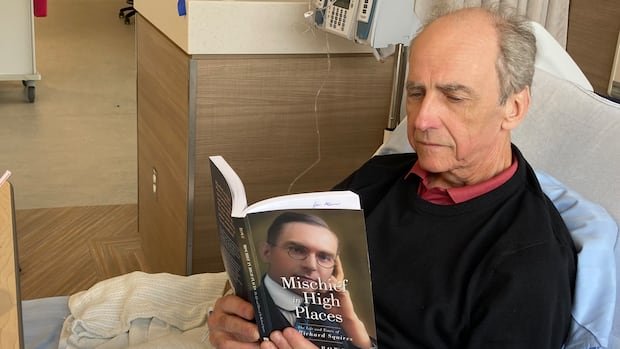

Glenn Deir, a retired journalist residing in St. John’s, shares his experience in this First Person column. To learn more about CBC’s First Person stories, please refer to the FAQ.
For a period of five months, I consumed six packs daily.
However, these were not beer cans but rather Boost, a nutritional drink acting as a meal replacement. It was touted to provide the essential nutrients required for a better quality of life.
My objective extended beyond mere sustenance to the preservation of life itself.
Prior to my throat surgery on July 13, necessitated by cancerous growth in my right tonsil and surrounding tissues, my last conventional meal comprised tenderloin steak.
Following the surgery, my throat was deemed “normalish,” albeit not sufficiently functional for solid food consumption.
Subsequently, my sustenance came from Boost drinks (in vanilla or strawberry variations) and pureed meals. The visual appeal of a slurry of blended meat and vegetables was less than appetizing. A spoonful of lamb chops and green beans, when pureed, hardly retained their original flavors.
Unsurprisingly, I shed 15 pounds during this period.
Despite unsuccessful attempts at swallow tests, my diet remained unaltered. In August, a swallow test, conducted under X-ray surveillance, revealed my struggle with moving food down the right passage, leading to the conclusion that I was not yet ready for solid foods.
Issues arose during the test as water inadvertently entered my airway, bypassing the expected cough reflex. The dense consistency of the pudding served exacerbated the situation, causing an obstruction at the base of my tongue, impeding its clearance through multiple swallowing attempts.
Complications with my tongue’s mobility, the efficiency of the food blockage safety flap, and my throat-clearing reflexes contributed to the delay in transitioning to solid foods.
Despite these challenges, the medical team at St. Clare’s Hospital in St. John’s persisted in their efforts to facilitate my recovery. However, plans for further assessments were postponed until after the completion of radiation therapy and chemotherapy, resulting in the cancellation of a planned moose hunting expedition due to my health status.
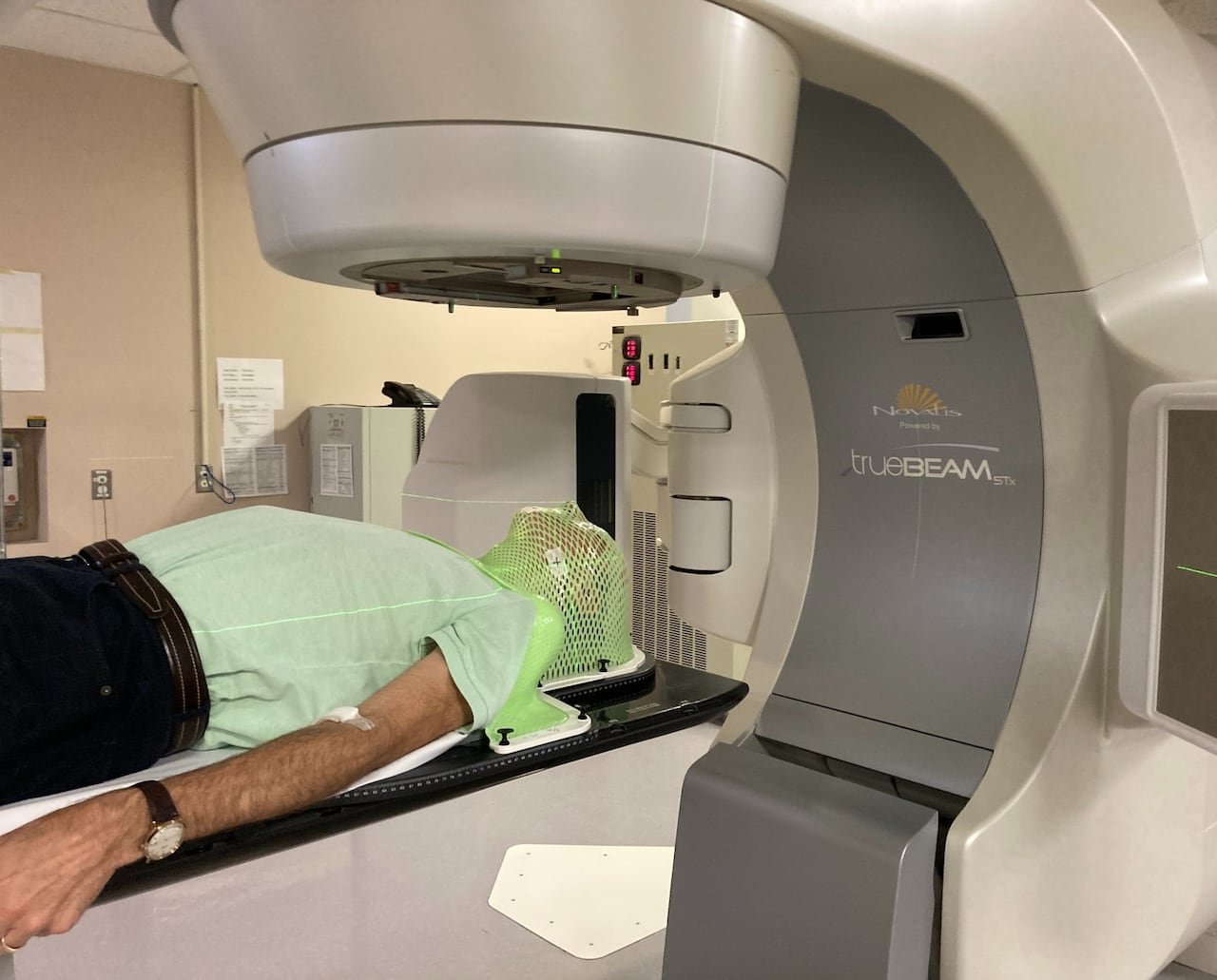
To address the postponement of my hunting plans, a compassionate appeal was made to the provincial wildlife authorities, supported by a letter from my radiation oncologist, Dr. Brent Tompkins, underscoring my ailment’s severity and the need for extended recovery and caregiving assistance from my wife.
While appreciative of the medical team’s dedication, I couldn’t help but envision a scenario where Dr. Tompkins expressed frustration over the situation, highlighting the divergence between his life-saving efforts and my concern for a hunting trip.
Radiation Treatment Ordeal
Amidst the treatment sessions, I found solace in whimsical thoughts, entertained by the prospect of reciprocating any hunting spoils with the diligent medical personnel.
Even the consumption of liquids posed risks during treatment. A minor incident occurred during a chemotherapy session when I inadvertently swallowed water, triggering a brief coughing episode.
Swift assistance from a vigilant nurse averted any serious consequences.
Despite my fatigue, I remained committed to performing prescribed tongue, jaw, and swallow exercises, often punctuated by contemplative gazes out the window, hoping my actions didn’t inadvertently offend any neighbors.
By late November, the cancer treatment phase concluded, and I was deemed ready for a follow-up swallow test. To my surprise, the exercises yielded unexpected improvements.