
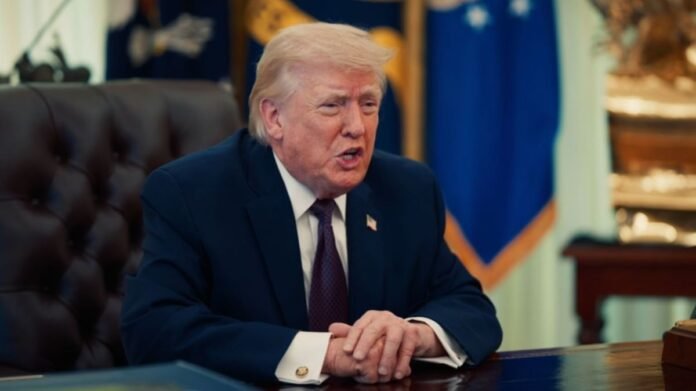

Donald Trump has issued a strong ultimatum to Iran, calling for the opening of the Strait of Hormuz within a specified time frame. In a message posted on Truth Social, Trump emphasized the urgency of the situation, giving Iran a deadline of 48 hours to comply before severe consequences would ensue. The former President invoked religious rhetoric, stating “Glory be to GOD!” as he pressed Iran to act swiftly.
Following Iran’s downing of a U.S. warplane and the subsequent search for a missing pilot, tensions escalated in the ongoing conflict between the two nations. The military operation, which began with joint U.S.-Israel strikes, has resulted in significant casualties, disrupted global markets, and impacted fuel prices. Despite previous claims of victory by Trump, the recent events have heightened pressure on the administration to seek resolution.
Amidst the military engagements, Iran’s actions have extended beyond conventional warfare tactics. An Iranian drone reportedly targeted a technology company’s headquarters in Dubai, causing damage. Additionally, an airstrike near Iran’s Bushehr nuclear facility resulted in casualties and property damage, marking repeated attacks on the critical infrastructure.
In a bid to facilitate peace talks and alleviate the conflict, diplomatic efforts spearheaded by Pakistan, Turkey, and Egypt are underway. These mediators are striving to bridge the gap between the U.S. and Iran, aiming to halt hostilities and reopen the vital Strait of Hormuz. As negotiations progress, there is optimism for a temporary ceasefire to pave the way for diplomatic resolutions.
The UN Security Council is poised to address the issue of reopening the strait, underscoring the international significance of the waterway. Meanwhile, the search for the missing American pilot continues in a rugged terrain in Iran’s southwestern province, with uncertainties surrounding the pilot’s status and the circumstances of the incident.
Despite these developments, Trump affirmed that the events would not derail negotiations with Iran. However, the situation remains fluid, with reports of further military engagements between the parties. As the conflict persists, the global community is closely monitoring the evolving dynamics and diplomatic efforts to de-escalate tensions in the region.