
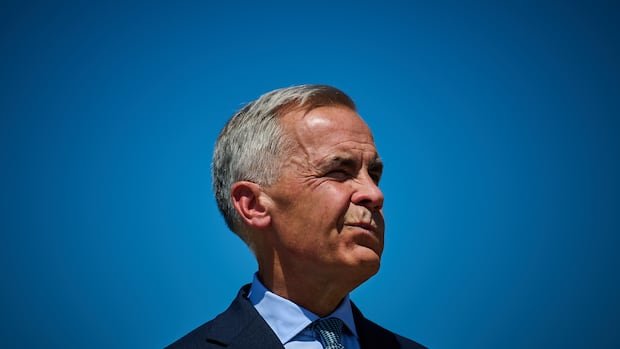
In a recent statement, Prime Minister Mark Carney conveyed the sensitivity and urgency of ongoing discussions with the U.S. to prevent the implementation of new tariffs scheduled to come into effect soon. Carney, while refraining from disclosing specific details, emphasized the critical nature of the negotiations and his intention to engage with the American leadership within the next 48 hours to reach a mutually beneficial agreement.
The Prime Minister, addressing the media in St. John’s during the announcement of a significant hydroelectric agreement with Quebec and Newfoundland and Labrador, highlighted the need to maintain confidentiality during the negotiation process. Stressing the importance of a position of strength in the negotiations, Carney asserted that the current phase required a discreet approach rather than public discourse.
When questioned about potential retaliatory actions in the event of failed negotiations, Carney expressed readiness for various scenarios, indicating preparedness for any outcome. Discussions between Carney and U.S. President Donald Trump, as confirmed by the Prime Minister’s spokesperson Audrey Champoux, underscored the gravity of the trade negotiations.
Trade Minister Dominic LeBlanc and Chief Trade Negotiator Janice Charette engaged in extensive dialogues with U.S. Trade Representative Jamieson Greer to navigate the impending Section 338 tariffs and explore revisions to existing Section 232 tariffs on industrial commodities. The latest round of discussions, including a meeting with U.S. Commerce Secretary Howard Lutnick, marked a pivotal moment in the negotiation timeline, with uncertainties lingering post-meeting regarding potential follow-up engagements.
Sources familiar with the discussions hinted at the likelihood of further interactions with Greer before the impending tariff deadline. Despite the absence of a scheduled meeting, the negotiation dynamics between Canadian and American officials remained fluid, signaling the evolving nature of the trade talks.
As the negotiations unfold, the core issues revolve around reciprocal concessions and demands. While the U.S. seeks reinstatement of American liquor in Canadian stores and removal of retaliatory tariffs on U.S. automobiles, Canada advocates for the elimination of threatened tariffs and relief for sectors impacted by the existing levies.
Notably, Greer reiterated the U.S.’s stance on maintaining the tariff framework, suggesting limited flexibility on tariff adjustments. The negotiation process, encapsulated in ongoing discussions, reflects the intricate balance of interests and demands on both sides.
In an interview, Erin O’Toole, a member of the Prime Minister’s Canada-U.S. advisory committee, acknowledged the progress made in negotiations. O’Toole emphasized the necessity of a fair deal that safeguards Canadian interests while promoting economic growth, underscoring the importance of mutually acceptable tariff rates and their implications on affected Canadian industries.
Should the proposed tariffs materialize as scheduled, O’Toole warned of imminent retaliatory measures by Canada, highlighting the detrimental impact of tariff escalations on economies and workers. Amidst the uncertainties surrounding the trade talks, the focus remains on achieving a mutually beneficial agreement that averts potential trade disruptions and fosters economic stability.

