

In the quest to reduce emergency room visits, governments have long grappled with the challenge of promoting better health outcomes. A recent initiative spearheaded by Health Secretary Wes Streeting aims to revolutionize healthcare delivery by utilizing pharmacists as the frontline of NHS services, transitioning a significant portion of hospital care to local community settings.
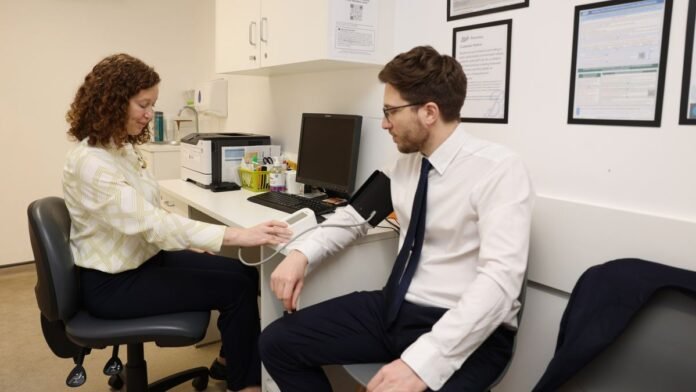
Streeting envisions a future where routine NHS services currently provided in hospitals will be seamlessly integrated into high street pharmacies and local health centers within the next decade. This transformation was observed in action, shadowing Naomi Haldane, a seasoned pharmacist at Boots in St Albans for 25 years, who highlighted the evolving role of pharmacists as the new “front door” to healthcare due to their accessibility and capacity for early intervention.
The modern pharmacist’s responsibilities have significantly expanded beyond traditional medication checks to encompass patient consultations akin to those offered by general practitioners. Through initiatives like the Pharmacy First scheme, pharmacists are empowered to provide prescription-only medicines for common ailments without the need for a doctor’s appointment, thereby easing the burden on primary care services.
Despite the push towards community-based care, the sustainability of this model is jeopardized by underfunding, prompting concerns within the pharmacy sector about the viability of these crucial services. While the government emphasizes the importance of pharmacies as essential gateways to the NHS, continued support and investment are essential to fully realize the potential of pharmacists in alleviating strain on the healthcare system.
The shift towards empowering pharmacists to deliver a wider range of NHS services represents a critical step in reimagining healthcare delivery and alleviating pressure on traditional healthcare providers. However, the ultimate success of this initiative hinges on sustained funding and strategic collaboration between stakeholders to ensure seamless integration and quality care for all.