
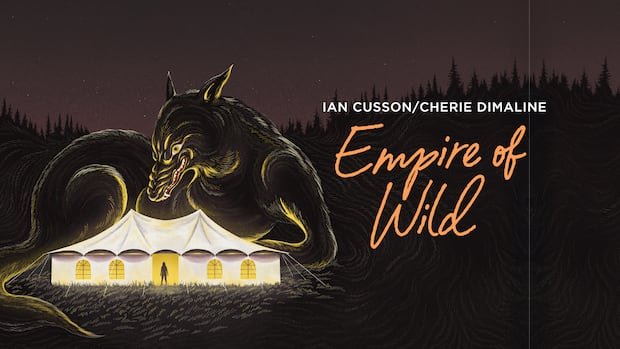

In Cherie Dimaline’s novel “Empire of Wild,” a trio of women from different generations grapple with freeing a family member from the clutches of a werewolf-like entity known as the Rogarou in a quest to locate a missing spouse and safeguard their land from corporate interests. This gripping and provocative narrative achieved the prestigious distinction of being named the top book of 2019 by Indigo, surpassing renowned titles like Margaret Atwood’s “The Testaments” and Taylor Jenkins Reid’s “Daisy Jones & The Six.”
A substantial investment of approximately $4 million has been earmarked for an Indigenous-led creative team to adapt the book into an opera, with plans for a world premiere in Toronto next spring. This bold move aims to attract a younger demographic and those new to opera, potentially challenging traditionalists who favor the classic repertoire.
Set in the Georgian Bay Métis community of Penetanguishene, Ontario, where Dimaline hails from, “Empire of Wild” resonates with composer Ian Cusson due to his familiarity with the Rogarou from childhood tales recounted by his mother. Cusson emphasized that the opera presents contemporary characters that modern audiences can relate to, including queer individuals and a working-class family navigating extreme circumstances in their lives.
The production, described by Cusson as akin to a “film on steroids,” incorporates elements of horror and appeals to younger audiences seeking immersive entertainment experiences. Innu soprano Elisabeth St-Gelais, portraying the lead character Joan, highlighted the relatability of the story to contemporary viewers, citing the character’s coping mechanisms and personal struggles.
At its core, “Empire of Wild” delves into themes of power, resistance, and resilience. The narrative unfolds as Joan’s husband vanishes following a disagreement over land sale, only to resurface under suspicious circumstances linked to industrial projects in the area. Intergenerational support and matrilineal bonds play a pivotal role in the story, drawing inspiration from Métis folklore while showcasing diverse talents in the cast.
The opera’s Indigenous creators aim to convey a universal truth of survival and resistance, emphasizing the concept of “survivance” as a testament to Indigenous cultural resilience and adaptation. As St-Gelais expressed, the project symbolizes a significant moment for Indigenous representation across various fields, including art and science.
The collaborative nature of the opera, led by Indigenous visionaries like Cree costume designer Jeff Chief and Algonquin director Yvette Nolan, fosters an inclusive environment where every contributor is valued. Cusson envisions this approach to creation as a model for future operas and companies, promoting a more equitable and diverse artistic landscape.
Ultimately, the Indigenous-led opera adaptation of “Empire of Wild” represents a groundbreaking narrative that challenges conventions and celebrates the richness of Indigenous storytelling in a contemporary context.