
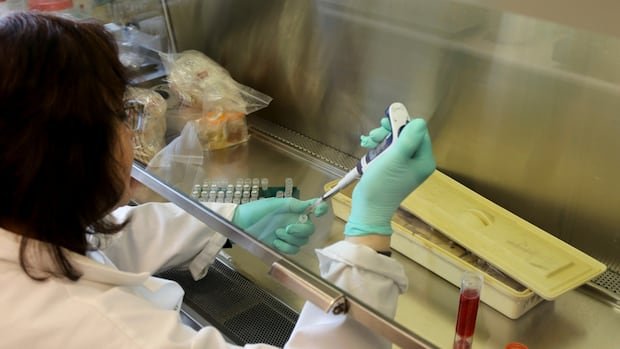

Canada’s initiative to construct a $267-million medical countermeasures laboratory in Winnipeg is seen as a crucial move in preparing for future pandemics. However, experts highlight significant challenges related to securing sustained funding, staffing, and effective governance for the facility.
The federal government recently awarded a $10.2-million design contract for the laboratory, projected to open in 2033 adjacent to Winnipeg’s National Microbiology Laboratory (NML). While the lab is designed to fill a critical need for testing early-stage vaccines, therapeutics, and diagnostic tools, health researchers emphasize the necessity of long-term investments in skilled personnel to ensure its success.
Dr. Joanne Liu, a physician and professor at McGill University, emphasizes the importance of not only constructing the building but also cultivating the human resources essential for establishing a world-class research center. The facility aims to address the preclinical bottleneck by providing space for lab and animal testing within Canada’s research and development network, enabling scientists to conduct necessary trials before advancing to clinical testing stages.
Keith Fowke, scientific director at the Canadian Institutes of Health Research’s infections facility in Winnipeg, underscores the current challenges faced by Canadian researchers due to the lack of dedicated spaces for preclinical trials. Expanding Canada’s capacity in this area has been a long-discussed necessity, according to Gary Kobinger, a former NML scientist who stresses the importance of committing to sustained funding over the coming years to advance research products effectively.
Investing in pandemic research during non-crisis periods is crucial, notes McGill’s Liu, as it ensures ongoing preparedness for future health threats. She highlights concerns over recent staff reductions at the NML, emphasizing the importance of attracting and retaining top-tier researchers through adequate funding and support mechanisms.
Furthermore, there are governance risks associated with solely government-managed operations, as highlighted by Kobinger in reference to past challenges faced during the development and commercialization of the Ebola vaccine. The establishment of new agencies and research facilities must be accompanied by effective leadership and governance practices to prevent operational delays and ensure successful outcomes.
In conclusion, while Canada’s efforts to strengthen its medical countermeasures capacity are commendable, sustained funding, talent retention, and robust governance structures are crucial for the long-term success of the proposed laboratory in combating future health crises.