
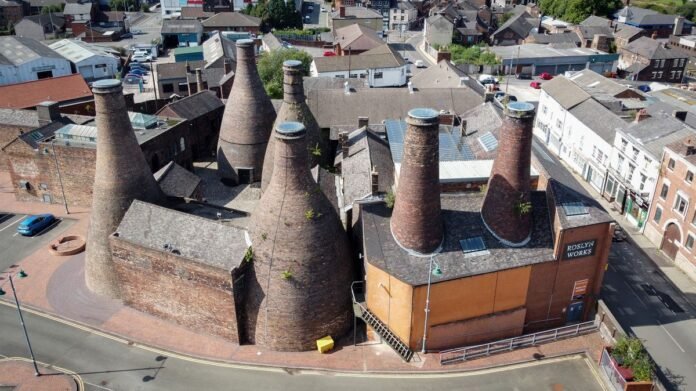

In July of the previous year, I traveled to Stoke-On-Trent to meet with GMB members employed in the ceramics sector of the UK. Together with Sharon Yates, a dedicated activist and my long-time companion, we paid a visit to the renowned cup producer Dunoon in Walton, situated just outside the city.
Sharon, deeply rooted in the industry for six generations, is among the 20,000 individuals in Britain engaged in pottery work, affectionately known locally as ‘the Pots’. She possesses profound insights into the life of a potter and the significance of potteries to the working-class populace in the Midlands and beyond. Working alongside her daughter and granddaughter, Sharon represents the local workforce striving to sustain their families and meet financial obligations.
The ceramics industry in Britain plays a vital role, contributing approximately £2 billion to the national economy and upholding 22,000 job opportunities nationwide. Renowned globally, our ceramic enterprises and their diligent employees serve as a source of admiration for other industrial ceramics sectors worldwide, with roots tracing back to Stoke-On-Trent, the birthplace of modern industrial ceramics.
Despite its global reputation, the ceramics industry in Britain faces challenges in remaining competitive. Recent announcements of job cuts, plant closures, and other setbacks by major companies like Wedgewood and Denby highlight the struggle. The primary obstacle lies in the elevated production costs, largely attributed to the country’s ongoing pursuit of reducing gas consumption.
This predicament appears uniquely British, as a cherished industry, poised for prosperity, is at risk of decline due to a reluctance to make decisive policy choices. With the Labour party in power, there is optimism for proactive interventions to safeguard British jobs, similar to the actions taken in the steel industry. However, the current administration’s inaction concerning the plight of the pottery sector raises concerns about its commitment to preserving this vital industry.
Looking ahead, the next year presents a window of opportunity to avert a looming crisis that could have long-lasting repercussions for the nation. The Government holds the key to potential solutions through initiatives such as the Industry Supercharger scheme, offering relief from escalating energy expenses for energy-intensive sectors like ceramics.
Despite the scheme’s viability and alignment with industry demands, the reluctance of Ministers to extend its benefits to the ceramics industry remains puzzling. This cost-effective and straightforward measure, supported by companies, industry associations, and unions, could prevent the slow-motion collapse of an industry that sustains tens of thousands of working-class families. Failure to act risks tarnishing the Government’s legacy and exacerbating societal divisions and challenges.
By prioritizing the preservation of the ceramics industry, the Government can avert a catastrophic outcome and demonstrate its commitment to supporting British workers. The time to act is now to prevent a crisis that could have far-reaching consequences for the economy and the livelihoods of many.