
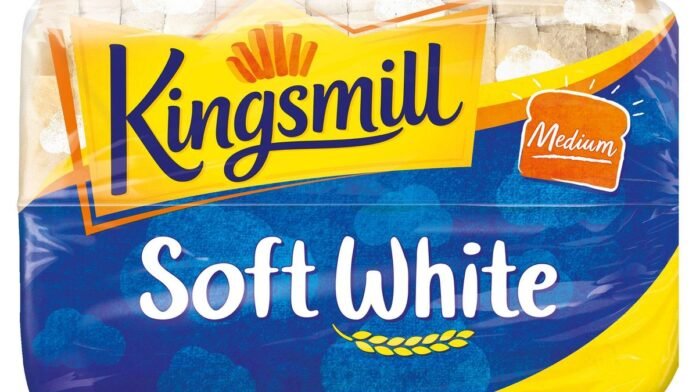

Allied Bakeries, the maker of the popular Kingsmill bread, is considering adding a fuel surcharge to its products due to the impact of the ongoing Iran conflict. The company is currently in preliminary talks with retailers to introduce this levy, which is aimed at offsetting the increased energy costs associated with bread production and transportation. Sources suggest that the surcharge could be minimal, possibly less than 5p per loaf, with the final decision on passing the cost to consumers resting with the retail outlets. Presently, a standard 800g loaf of Kingsmill 50/50 medium soft white bread is priced at £1.05.
The escalation in energy prices resulting from the conflict is affecting various industries, particularly those reliant on energy and fertilizers like food manufacturers. George Weston, the CEO of Associated British Foods, the parent company of Allied Bakeries, mentioned that their current risk management strategies have helped mitigate immediate impacts, but sustained high oil prices could change the situation. Notably, Allied Bakeries also produces Allinson’s and Sunblest bread.
In a similar vein, the agricultural sector is feeling the strain of increased fertilizer costs due to disruptions caused by Iran’s actions. The ongoing situation threatens to raise the expenses of autumn crops.
Fuel surcharges, commonly associated with airlines, are now being adopted by businesses in other sectors to counter rising fuel costs post the Iran conflict. These surcharges are distinct from regular price hikes as they are specifically targeted to cover additional costs and can be removed once the situation stabilizes.
In Australia, several businesses have already implemented fuel surcharges to manage escalating expenses. For example, the Sydney Fish Market has imposed an 81 cent levy on every kilogram of seafood sold due to doubled trawler operation costs. Additionally, a hospitality trade body in Australia is encouraging restaurants and cafes to introduce a 5% surcharge.
ABF, the parent company of Allied Bakeries, also owns the popular fashion retailer Primark, which is set to become a standalone business in the FTSE 100. Nevertheless, the company is cautiously monitoring the Middle East conflict’s impact, acknowledging potential risks to Primark’s sales if the situation prolongs and consumer spending weakens.
The Food and Drink Federation has cautioned that the cost escalations resulting from the conflict could take several months to reflect on retail shelves. They predict that food price inflation could surge to 9% or 10% by Christmas, even if the conflict were to end promptly. Consequently, the FDF is urging the government to provide urgent support to energy-intensive businesses to prevent potential failures in the sector.
Karen Betts, the FDF chief executive, emphasized the critical role of energy across the food supply chain and urged the government to act swiftly by alleviating impending regulatory burdens. She highlighted the need for proactive measures to curb inflation before it permeates through the system and impacts consumer prices.