

Multiple airlines worldwide are making significant changes to their operations due to a deepening crisis in jet fuel supply, leading to flight cancellations and the implementation of new charges. The surge in fuel prices, which have risen from around $85-$90 per barrel to as high as $150-$200, is primarily attributed to increased tensions in the ongoing US-Israeli conflict with Iran.
As a result of these soaring costs, airlines are being compelled to raise fares, reduce flight routes, and revise their financial projections. Experts are warning of potential major disruptions, with concerns raised by International Energy chief, Fatih Birol, who cautioned that Europe could face a critical shortage of jet fuel within six weeks if the Strait of Hormuz remains closed.
Over 30 airlines globally have reported alterations to their services, such as flight cancellations and the introduction of additional charges. For instance, AirAsia X has cut approximately 10% of flights and added a fuel surcharge of around 20%. Air France-KLM is increasing long-haul and cabin fares, cancelling flights, and planning to eliminate 160 European services. Meanwhile, Air India is transitioning to distance-based fuel surcharges due to escalating costs.
Other airlines like Air New Zealand, Akasa Air, Alaska Air, American Airlines, and more are also adjusting their operations to cope with the fuel crisis. These changes include reducing flights, raising fees, and introducing fuel surcharges on various routes to mitigate the impact of the rising fuel prices.
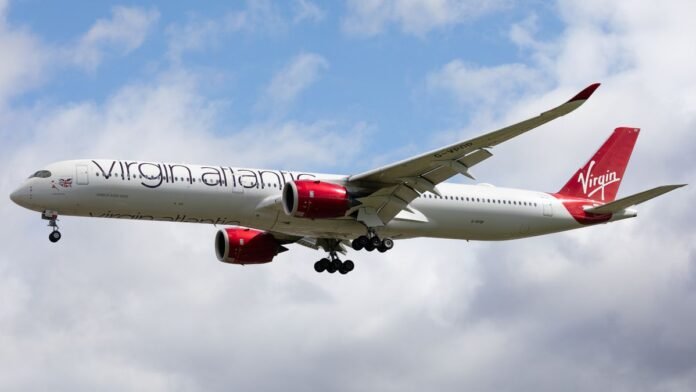
Furthermore, airlines like United Airlines, Virgin Atlantic, and Vietnam Airlines are implementing strategies such as scaling back routes, introducing fuel surcharges, and seeking government assistance to address the challenges posed by the surging jet fuel costs. These measures aim to navigate the current crisis and maintain financial stability in the face of unprecedented fuel price hikes.