
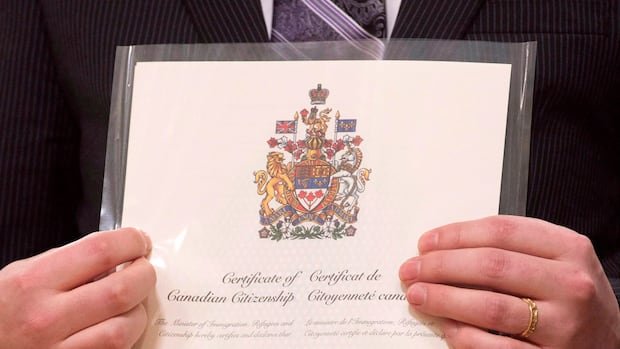
A surge in applications for Canadian citizenship certificates has been observed worldwide in recent months, with a significant rise driven by numerous submissions from the United States, as reported by CBC News. The implementation of the “Lost Canadian” legislation by Parliament late last year led to a nearly 50% increase in the issuance of certificates between April 1 and May 31, according to recent data acquired by CBC.
Under Bill C-3, individuals can obtain citizenship if they can demonstrate their lineage to a Canadian ancestor, even if that ancestor emigrated from Canada several generations ago. Following the enactment of Bill C-3 in mid-December, Immigration, Refugees, and Citizenship Canada (IRCC) granted around 6,100 citizenship certificates by May 31, marking a notable increase from the 4,075 certificates issued from mid-December to March 31.
Moreover, an additional 17,390 individuals have received certificates due to having a Canadian parent, a requirement that was mandatory before the bill’s approval. The certificates enable the 23,490 newly recognized Canadian citizens to apply for Canadian passports and reside and work in Canada, although they are ineligible to vote in federal elections unless they have previously lived in Canada.
Data from IRCC reveals that a considerable number of these new citizens are Americans, with 3,110 Americans qualifying for Canadian citizenship certificates through Bill C-3 and 8,125 Americans being granted certificates because one of their parents was born in Canada.
However, the substantial influx of citizenship certificate applications awaiting processing has surged significantly. In April, approximately 56,000 applications were pending, escalating to 70,400 in May, and now reaching 121,800 individuals awaiting a decision. The processing time for decisions has doubled from 12 months in May to 25 months as of August 10.
Estimates suggest that a vast number of individuals may be eligible for Canadian citizenship under Bill C-3. The parliamentary budget officer projected that approximately 115,000 people could be impacted by the legislative change. Despite initial expectations of moderate application volumes following the enactment of Bill C-3, the influx has surpassed predictions, prompting IRCC to adapt operations to manage the increased demand efficiently.
Simultaneously, there has been a surge in the demand for genealogical records necessary to validate Canadian ancestry for citizenship certificate applications under Bill C-3. Archivists are facing challenges meeting the heightened demand, with requests surging by 100 to 300% at some institutions, particularly from the United States, for documents dating back centuries.
The Association of Canadian Archivists is advocating for increased funding to support archives nationwide in accommodating the escalating demand for records linked to Bill C-3. Additionally, archivists are bracing for a potential new wave of requests after IRCC suspended about 100 certificates in June due to document issues, potentially necessitating further genealogical record searches for affected applicants.

