
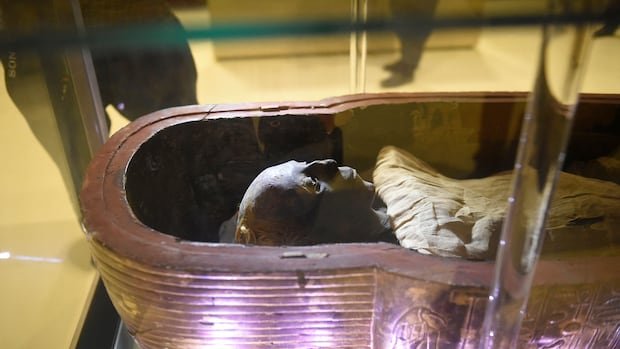

Unlikely as it may seem, scientists have identified a global online market for preserved human remains concealed within ordinary delivery packages, raising concerns about potential health risks associated with this niche hobby.
Lead author Kirsty Squires and her team conducted a study, published in the International Journal of Cultural Property, where they analyzed 128 online posts from 2015 to 2025 showcasing or promoting the sale of preserved remains of humans and animals.
According to Squires, a bioarchaeology professor at the University of Staffordshire in Stoke-on-Trent, England, the posts frequently featured mummified heads, hands, and feet.
The researchers warn that mummified body parts may contain dormant microorganisms like bacteria, fungi, and yeast, which could pose health risks if mishandled. However, some experts suggest that collectors who are knowledgeable about proper handling techniques may not face significant concerns.
Proper Handling Guidelines for Mummified Remains
Squires highlighted that several online images exhibited visible signs of deterioration in the remains, mainly due to inadequate storage conditions.
While museums maintain controlled environments with stringent temperature and humidity controls for preserving mummies, individuals storing remains in non-regulated settings such as homes or garages may not ensure such conditions, potentially releasing hidden fungal spores or bacteria into the air during handling.
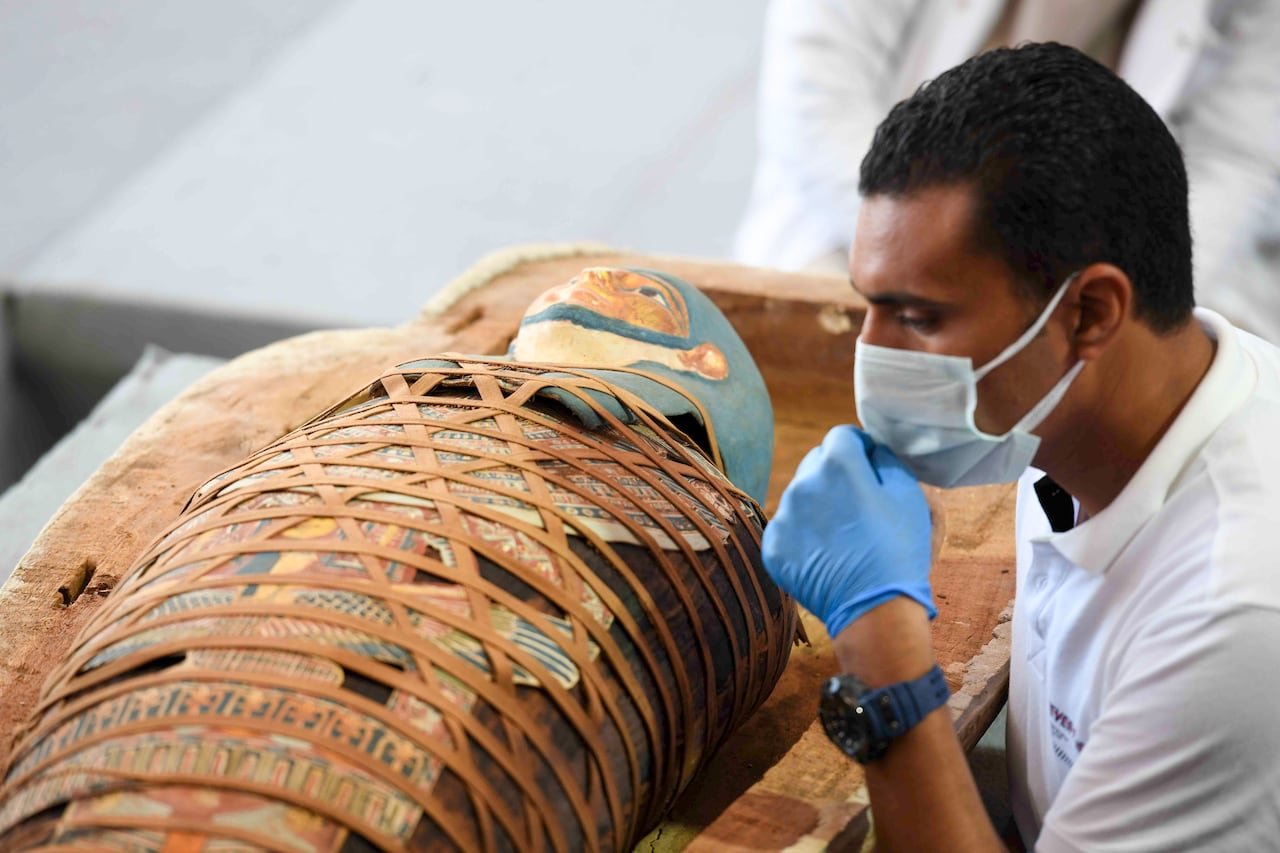
When dealing with human remains in her research, Squires emphasizes the use of protective gear. She noted instances where sellers did not employ gloves in handling the remains.
According to Squires, individuals with compromised immune systems could be vulnerable to airborne microorganisms present in mummified tissues, potentially causing respiratory issues and skin or eye irritation.
Furthermore, mummified body parts might contain hazardous substances like arsenic and mercury from embalming fluids used in the 19th and early 20th centuries, as detailed in the study.
The Risks Associated with Mummified Remains
While the study does not specify any documented cases of individuals falling ill due to handling human remains sold online, historical incidents demonstrate the potential dangers. For instance, in 1973, 10 out of 12 conservation scientists succumbed to respiratory issues after inhaling Aspergillus spores while investigating a 15th-century tomb in Poland.
There are speculations regarding the death of British archaeological patron Lord Carnarvon in 1923, linked to airborne fungal spores encountered in the burial chamber of Tutankhamun.
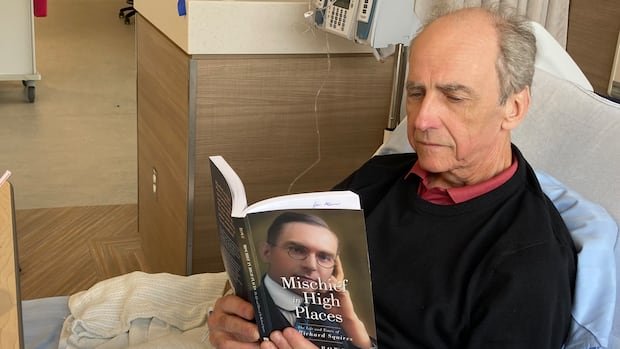
James Scott, a professor at the Dalla Lana School of Public Health in Toronto, views the ethical implications of this trade as more concerning than the health risks. He believes that with proper precautions, the risks associated with handling mummified remains can be minimized.
Exploring Canada’s