
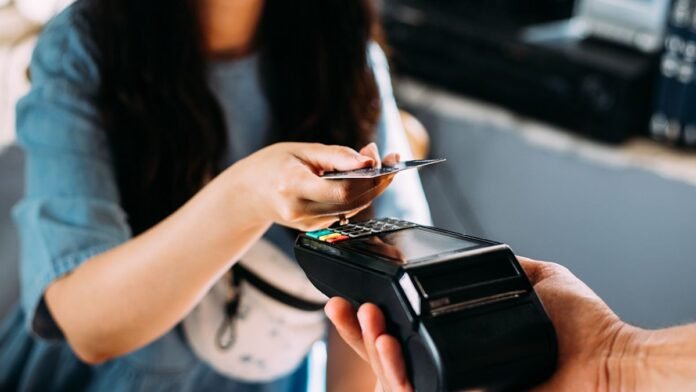

Starting today, a significant change in the payment process at checkout counters for shopping is being implemented. The previous £100 limit on contactless card payments has been removed as of March 19. Instead, banks now have the authority to establish their own limits for contactless transactions. This adjustment applies to both debit and credit cards.
Previously, if a purchase exceeded £100, customers were required to input their four-digit PIN to authorize the payment. Furthermore, if multiple contactless transactions totaling over £300 were made in a single day, the PIN prompt would also activate.
Under the new regulations effective today, the fixed £100 limit has been eliminated, granting banks the flexibility to set their own thresholds. Additionally, consumers now have the option to define their personal contactless payment limits.
Various card issuers already offer customers the ability to modify their contactless limits or deactivate the feature entirely. The initial contactless limit of £10 in 2007 gradually increased to £15 in 2010, then to £20 in 2012, followed by £30 in 2015, rising to £45 in 2020, and finally reaching £100 in 2021.
The decision to abolish the contactless limit was announced by the Financial Conduct Authority (FCA) last year after public consultation. The FCA estimates that approximately 85% of UK residents utilize contactless payments monthly and highlights improvements in fraud prevention systems.
David Geale, the FCA’s executive director of payments and digital finance, emphasized the importance of providing flexibility for both businesses and consumers in the evolving payment landscape. Industry representatives, such as Kate Nicholls from UKHospitality, have welcomed the change, citing enhanced convenience for consumers and businesses.
Jana Mackintosh, managing director of payments and innovation at UK Finance, expressed support for the FCA’s decision to grant more control over contactless limits, emphasizing the importance of maintaining robust security measures.
While some banks like NatWest and Barclays have no immediate plans to alter the £100 limit, others such as Santander and Lloyds Banking Group already offer customers the option to adjust their contactless limits through their banking apps. TSB is currently reviewing potential limit changes, and Monzo is continuously monitoring its payment limits.
In conclusion, the landscape of contactless payments is evolving, with banks and financial institutions adapting to meet consumer preferences and enhance security measures.