

British Prime Minister Sir Keir Starmer acknowledged the need for further efforts to ensure the US-Iran ceasefire amidst uncertainty about his relationship with Donald Trump. Iran hinted at withdrawing from the agreement if Israel continues its intense attacks on Hezbollah fighters in Lebanon.
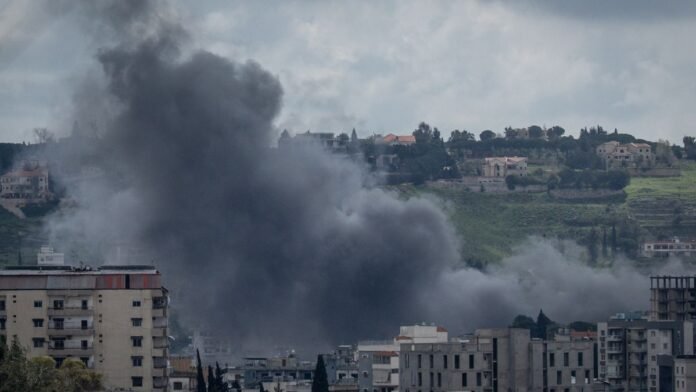
A dispute arose regarding the Israel-Hezbollah conflict, with differing claims on whether it falls under the ceasefire. The Israeli military launched a massive offensive, targeting over 100 sites in Beirut, the Beqaa Valley, and southern Lebanon in what was described as the most significant assault since the conflict began.
The recent Israeli strikes jeopardized the delicate ceasefire endorsed by US Vice President JD Vance. Meanwhile, Iran retaliated by closing the Strait of Hormuz following Israeli assaults on Lebanon.
Chaos ensued shortly after Trump announced the ceasefire, with Iran considering retaliatory actions against Israel for violating the ceasefire terms by attacking Hezbollah in Lebanon. Pakistan, the mediator of the ceasefire, asserted that the agreement encompasses Lebanon, contrary to Prime Minister Benjamin Netanyahu’s objections.
The UK Prime Minister’s visit to Saudi Arabia for discussions with Gulf allies followed President Trump’s decision to opt for a two-week ceasefire instead of destroying Iran’s infrastructure. Despite the ceasefire being labeled as “fragile” by Vice President JD Vance, Starmer expressed relief but emphasized the necessity to work towards a lasting peace agreement and ensure the security of the Strait of Hormuz.
Starmer reiterated Britain’s non-involvement in the conflict, straining his relationship with Trump, who criticized Starmer for his stance. Amid calls from world leaders to halt Israel’s attacks on Lebanon, the ceasefire was welcomed, stressing the urgency for a negotiated settlement to safeguard Iran’s civilians and regional stability.
Lebanon faced intensified bombing, resulting in numerous casualties, with Israel asserting support for the US suspension of strikes on Iran but maintaining military operations in Lebanon. Despite conflicting statements, the US, Iran, and allies agreed on an immediate ceasefire. Lebanese authorities cautioned against returning to the south due to ongoing Israeli attacks.
The conflict between the US, Israel, and Iran escalated, drawing Lebanon into the turmoil. Hezbollah’s retaliatory strikes against Israel triggered a cycle of violence, prompting fears of a collapse of the ceasefire if Israeli attacks persist. The situation remains tense as Iran evaluates its next steps in response to ongoing Israeli breaches of the ceasefire agreement.