

Liverpool residents, known as Scousers, take pride in thwarting racist demonstrations before they gain momentum. In a noteworthy event in 2015, a White Man March organized by National Action ended embarrassingly as they retreated to Lime Street Station’s left luggage depot while bystanders mocked them. Similarly, the English Defence League faced humiliation in 2017 when they were mocked and cheered out of town to the tune of the Benny Hill theme.
Recently, a faction of UKIP attempted to host a “Walk With Jesus” rally in Liverpool, despite disapproval from the city’s Christian leaders. Protesters, suspecting it to be a veiled anti-Muslim gathering by a far-right Christian group, effectively shut down the event, compelling the participants to leave the city.
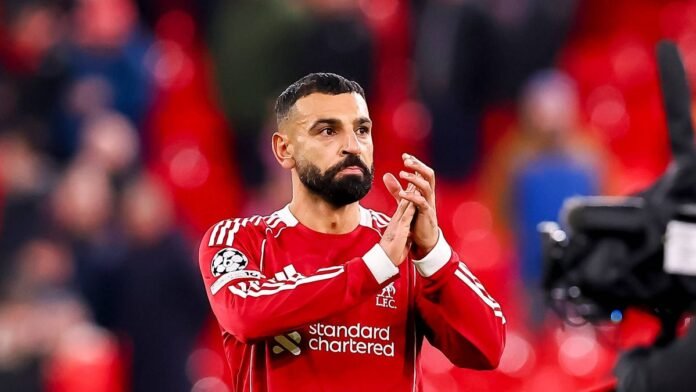
Amidst pervasive hatred often fueled by misconceptions about religion, one individual stands out as a beacon of hope: Mohamed Salah, known for his exceptional football skills. Salah’s positive influence extends beyond his athletic prowess, serving as a role model against discrimination based on race or religion.
Research by the Immigration Policy Lab in 2019 revealed a significant decrease of 18.9% in hate crimes in Merseyside following Salah’s association with Liverpool FC. The study also noted a reduction in Islamophobic content among Liverpool fans on social media platforms.
Mumin Khan, the CEO of Liverpool’s Abdullah Quilliam mosque, acknowledged Salah’s impact in fostering understanding and acceptance, citing instances of non-Muslims visiting the mosque due to Salah’s influence.
Salah’s public displays of faith and family values have resonated with fans, leading to a shift in perceptions and a rejection of Islamophobic sentiments. His presence echoes the transformative effect witnessed when John Barnes joined Liverpool in the late 1980s, eradicating racial prejudices among supporters.
While Salah may not have eradicated racism entirely, his influence has encouraged young individuals to challenge hateful ideologies and reject divisive rhetoric propagated by extremist figures. His message of unity and tolerance serves as a powerful antidote against bigotry, earning him the title of the Egyptian King among supporters.